Local SEO Checklist: Step-by-Step Guide to Dominate Local Search

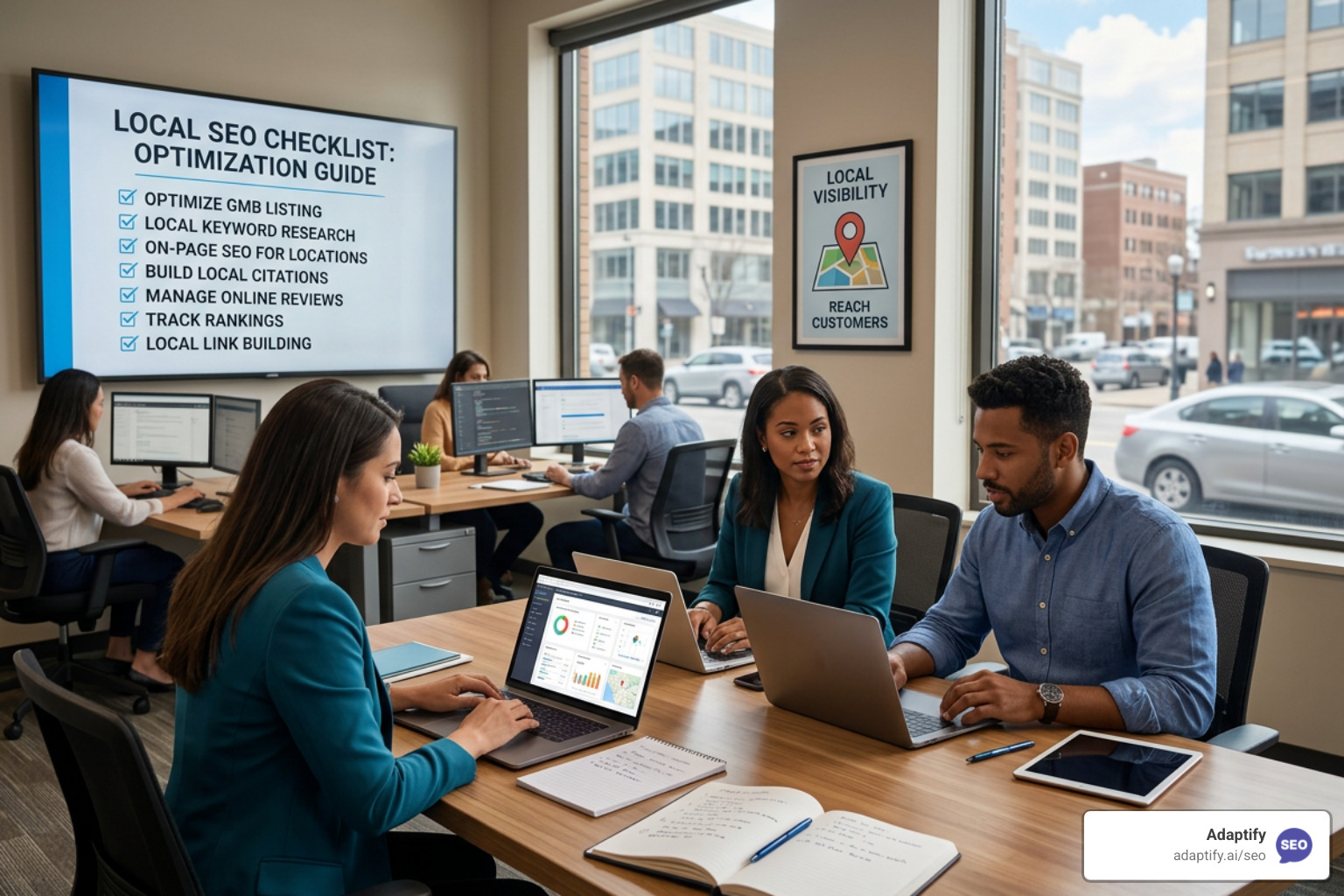

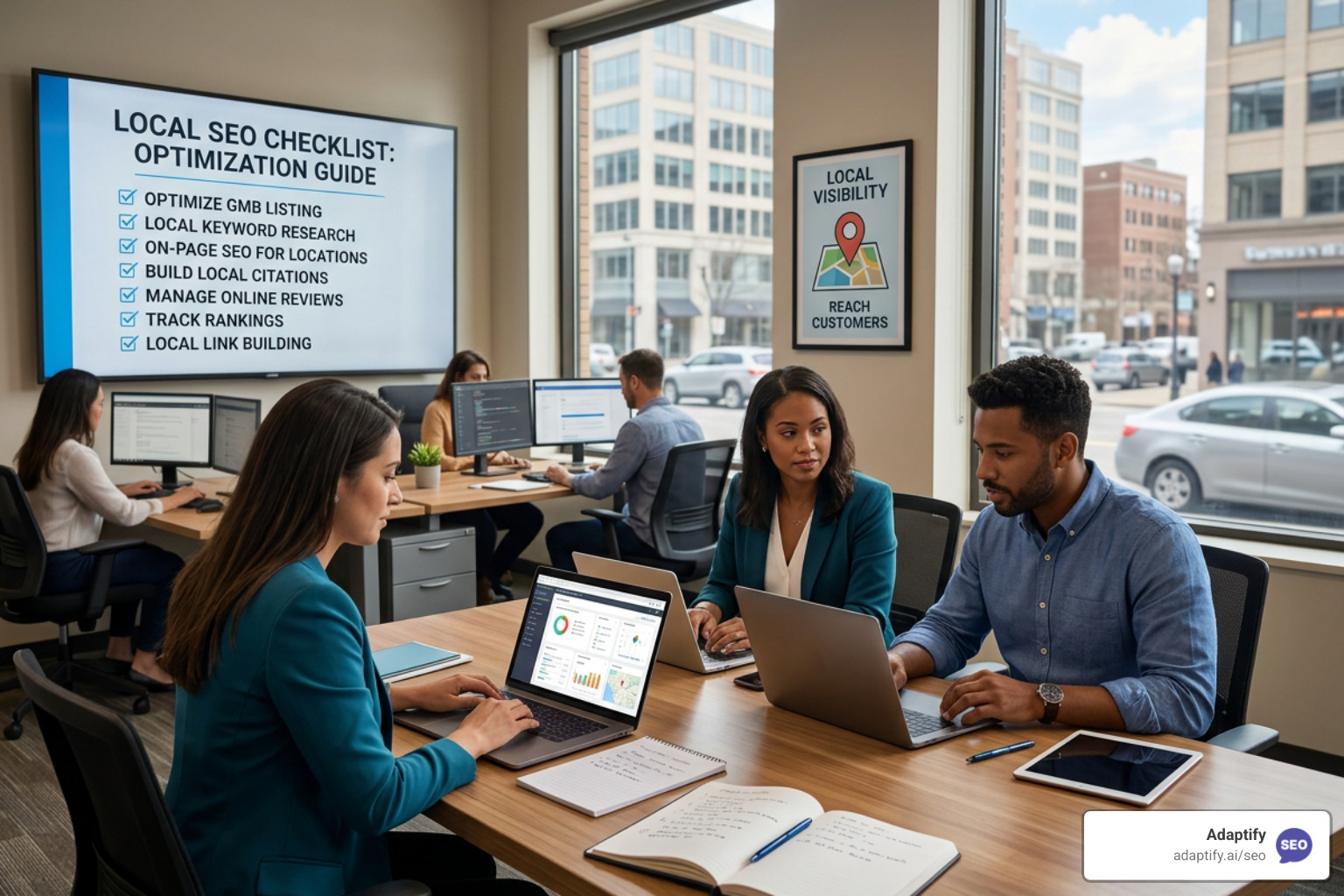
A solid local SEO checklist is the difference between a business that shows up when nearby customers search — and one that stays invisible. If you want the short version, here it is:
The Core Local SEO Checklist (2026):
Local search is enormous — and growing. 46% of all Google searches have local intent. That means nearly half the people searching right now are looking for something nearby. And 76% of people who search for something local on their phone visit a related business within 24 hours.
Yet most small businesses are barely showing up. Only 35% of SMBs have a Google Business Profile — a free tool that can deliver seven times more clicks when fully optimized. Only 40% have a dedicated website at all.
The opportunity is wide open. But capturing it requires more than just listing your address somewhere online. It takes a systematic approach — covering your Google profile, your website, your reviews, your citations, and your technical foundation — all working together.
That's exactly what this guide gives you.
I'm Hansjan Kamerling, a product designer and marketing consultant who has helped scale digital platforms reaching millions of users, and I've built this local SEO checklist based on what actually moves the needle for agencies and local businesses in 2026. Let's walk through every step so you know exactly what to do — and in what order.
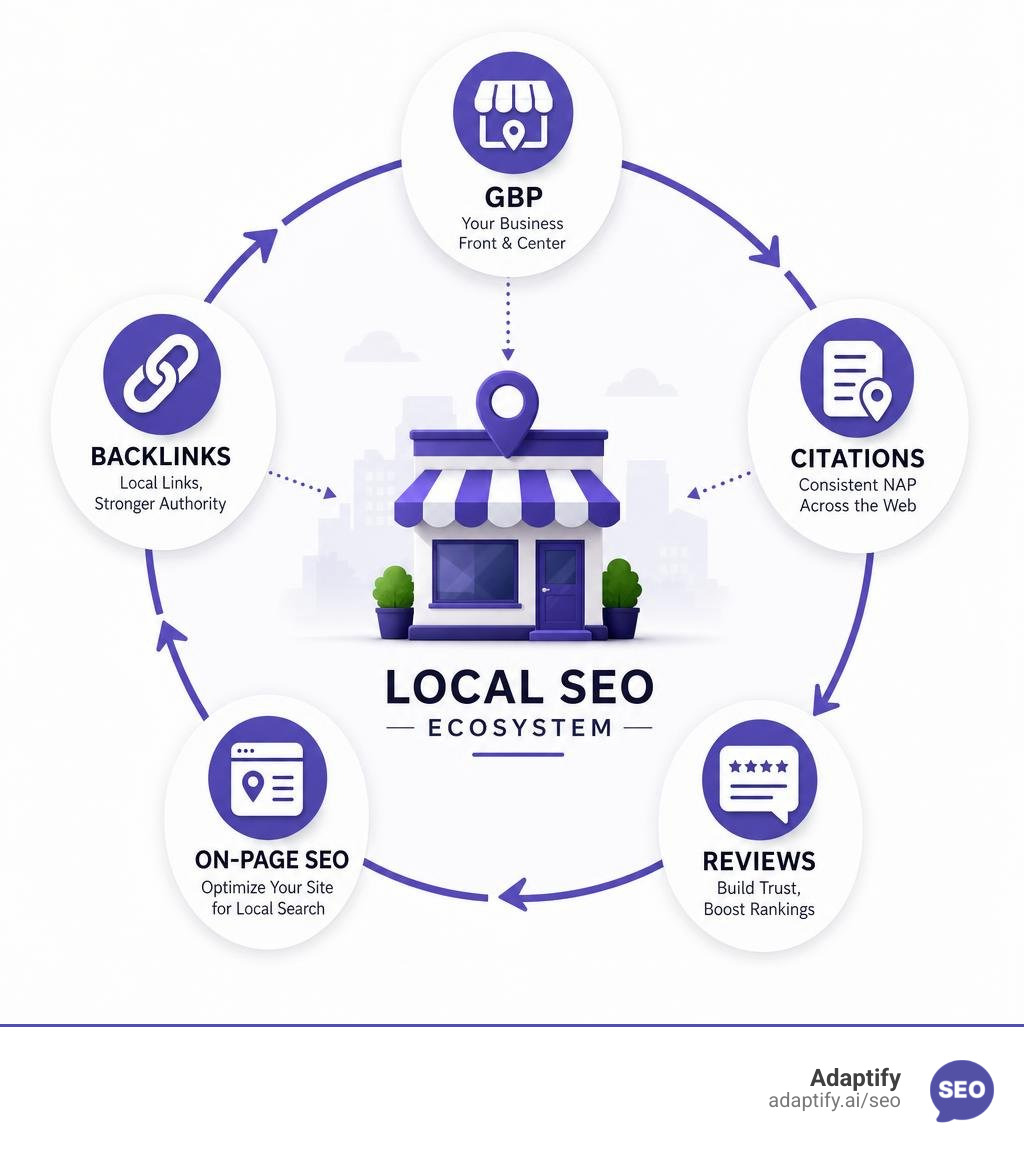
To win at local search, you have to understand how search engines decide who gets the top spots. It's not a guessing game. Google’s local algorithm relies on three core pillars:
If you want to dive deeper into how these elements interact, check out LocaliQ's Local SEO Guide, which breaks down these ranking signals.
My goal with this local SEO checklist is to help you maximize your relevance and prominence. While you can't change your physical proximity to a searcher, you can absolutely make sure Google knows exactly what you do and trusts you more than anyone else in your neighborhood.
Your Google Business Profile (GBP) is the absolute highest-leverage asset in your local marketing toolkit. It is the gatekeeper to Google's Local Pack (the map results that capture roughly 70% of local search clicks).
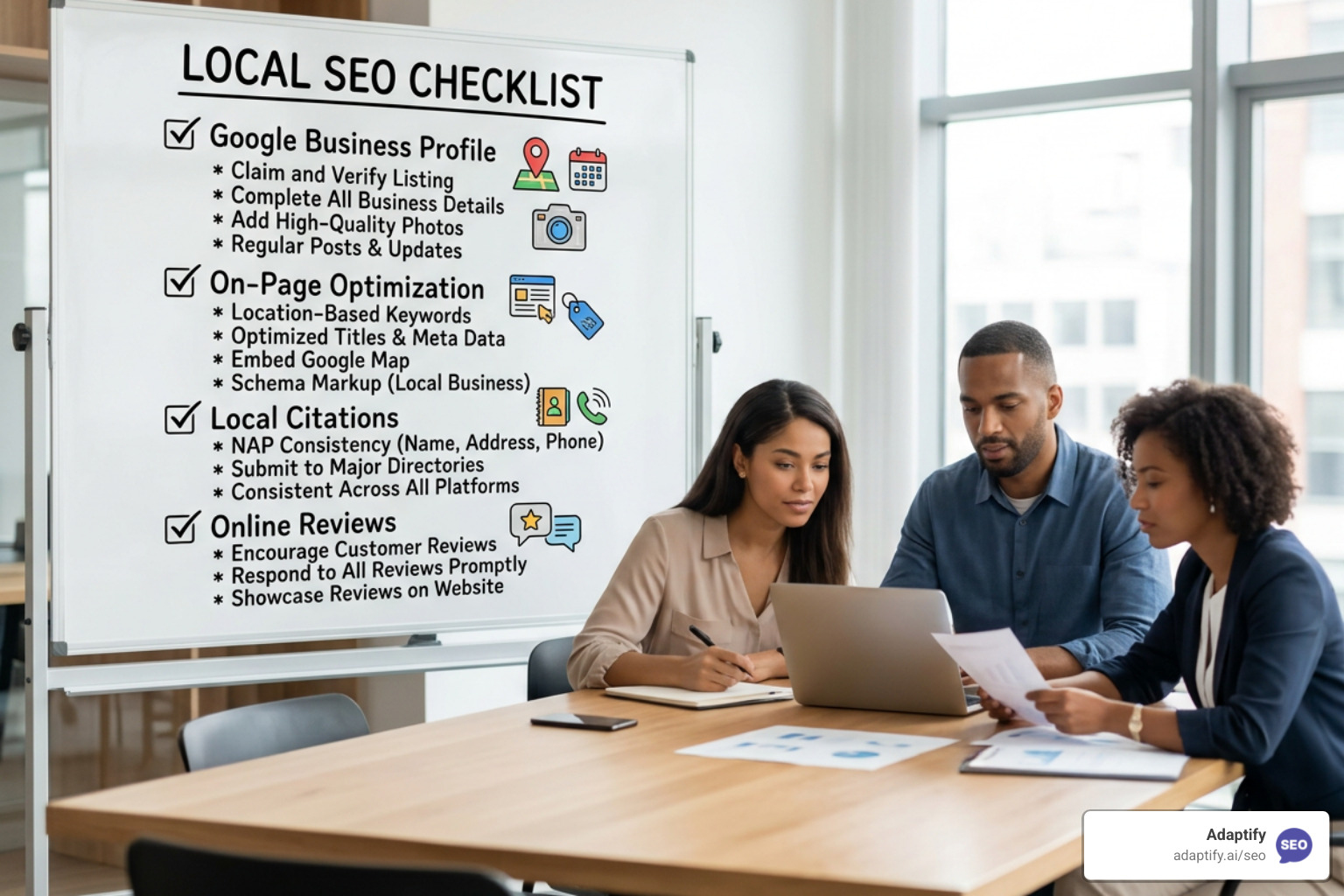
To set up and optimize your GBP for maximum visibility, follow these steps:
For a complete breakdown of getting started, read our guide on Cracking The Local Code A Beginners Guide To Seo Success.
NAP stands for Name, Address, and Phone number. Search engines crawl the web to see if your business details are identical across every single directory, review platform, and social media site.
If Google finds your business listed as "Smith Plumbing LLC" on Yelp, "Smith's Plumbing" on your website, and "Smith Plumbing" with an old phone number on an obscure directory, it loses trust in your data. In fact, 73% of consumers lose trust in a brand when they find incorrect business information online, and 62% would avoid using a business altogether if they encountered wrong details.
To audit and manage your citations effectively:
For a comprehensive guide on building trust with citations, check out the NSYGHT Local SEO Checklist and explore our Local Seo Success Templates To Win Over Your Hometown Clients.
Your website needs to be structured so that search engines can easily map your services to your physical locations.
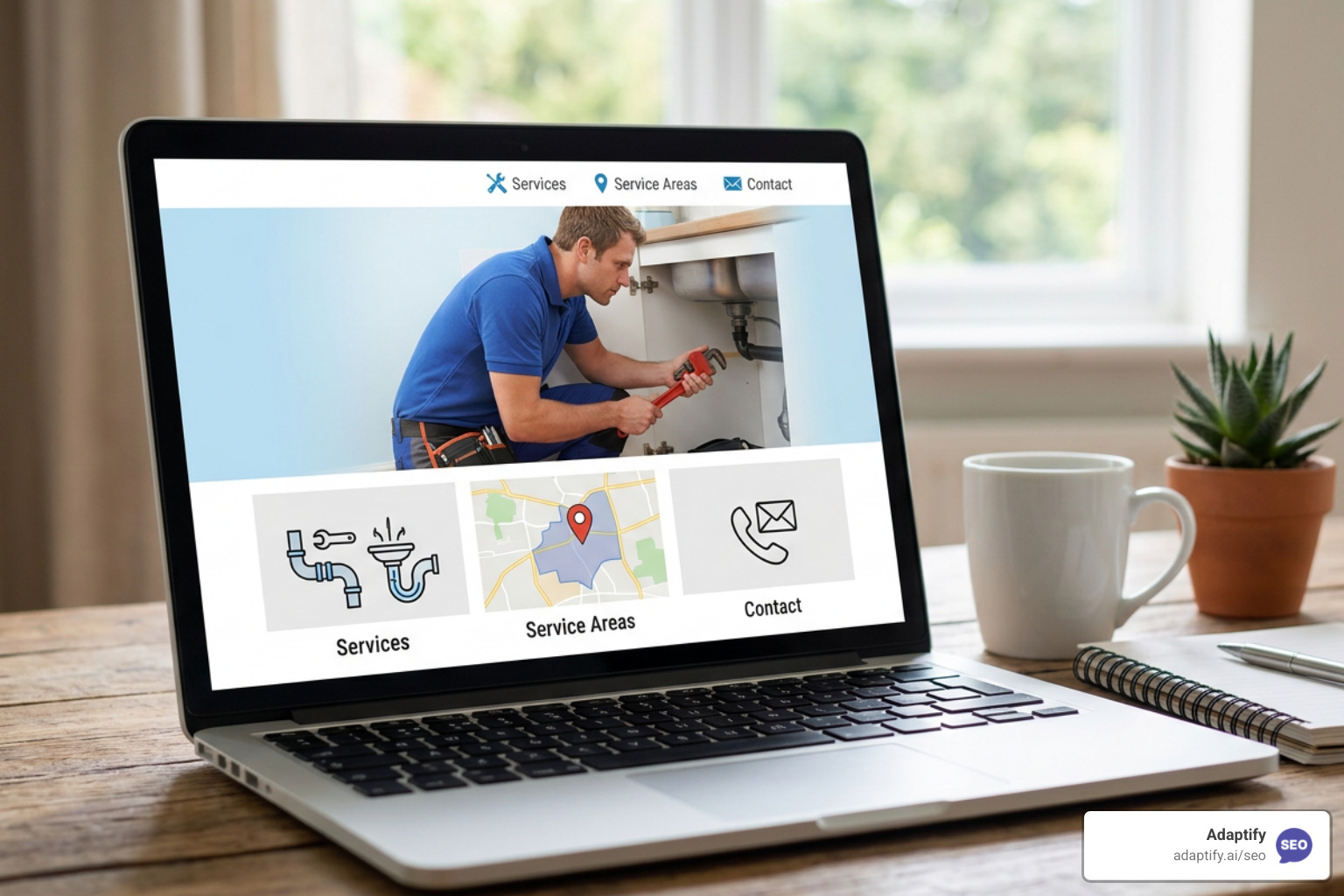
Here is your on-page local SEO checklist to make that happen:
To build a winning on-page structure, read The Ultimate Guide To Local Seo Strategies.
Customer reviews are one of the strongest local ranking factors. They directly influence your prominence. 89% of consumers would use a business that responds to all of its reviews, compared to just 44% who would use a business that ignores them.
To build a stellar review profile:
For more strategic advice on handling customer feedback, read Local Seo Help The Ultimate Guide To Dominating Your Neighborhood Search.
Technical SEO ensures search engines can crawl your site, while local link building proves your business is an active, trusted member of the local community.
First, address the technical essentials:
Next, build high-quality local backlinks. Local link building is different from traditional link building; you are trading general domain authority for geographic relevance. Refer to the Flento Local SEO Audit for auditing these signals, and read Optimize Your Website A Simple Guide To Better Search Rankings to prepare your site.
| Link Metric | Traditional Backlinks | Local Backlinks |
|---|---|---|
| Primary Goal | High global Domain Authority (DA) | High local/geographic relevance |
| Key Sources | Tech blogs, national publications, SaaS sites | Local chambers of commerce, youth sports teams, local blogs |
| Acquisition Method | Cold outreach, guest posting, PR campaigns | Event sponsorships, local partnerships, community involvement |
| SEO Signal | Global topical authority | Local prominence and physical legitimacy |
You cannot improve what you do not measure. Tracking local SEO requires specialized tools because standard rank trackers only show national averages, whereas local search results change from block to block.
For a deep dive into hyperlocal rank tracking, read Local Rank Tracking The Secret Sauce For Hyperlocal Visibility.
Executing every single item on this local SEO checklist manually is incredibly time-consuming, especially if you are an agency managing dozens of client locations. Juggling GSC audits, citation cleanup, weekly Google Posts, and review generation can quickly overwhelm your team.
That is where automation makes all the difference.
Adaptify.ai offers automated SEO services designed specifically to help agencies scale. By streamlining complex processes like local keyword strategy, content creation, and automated PR link building using AI, Adaptify reduces manual effort while driving real, measurable rankings in both traditional search and emerging AI search engines. For more on how local visibility is evolving in AI search, read Local SEO Is Dead, Long Live GEO: Boosting Local Visibility in AI.
If you are ready to replace manual checklists with a smarter, highly efficient system that delivers results for your clients, Book a Demo with Adaptify today.
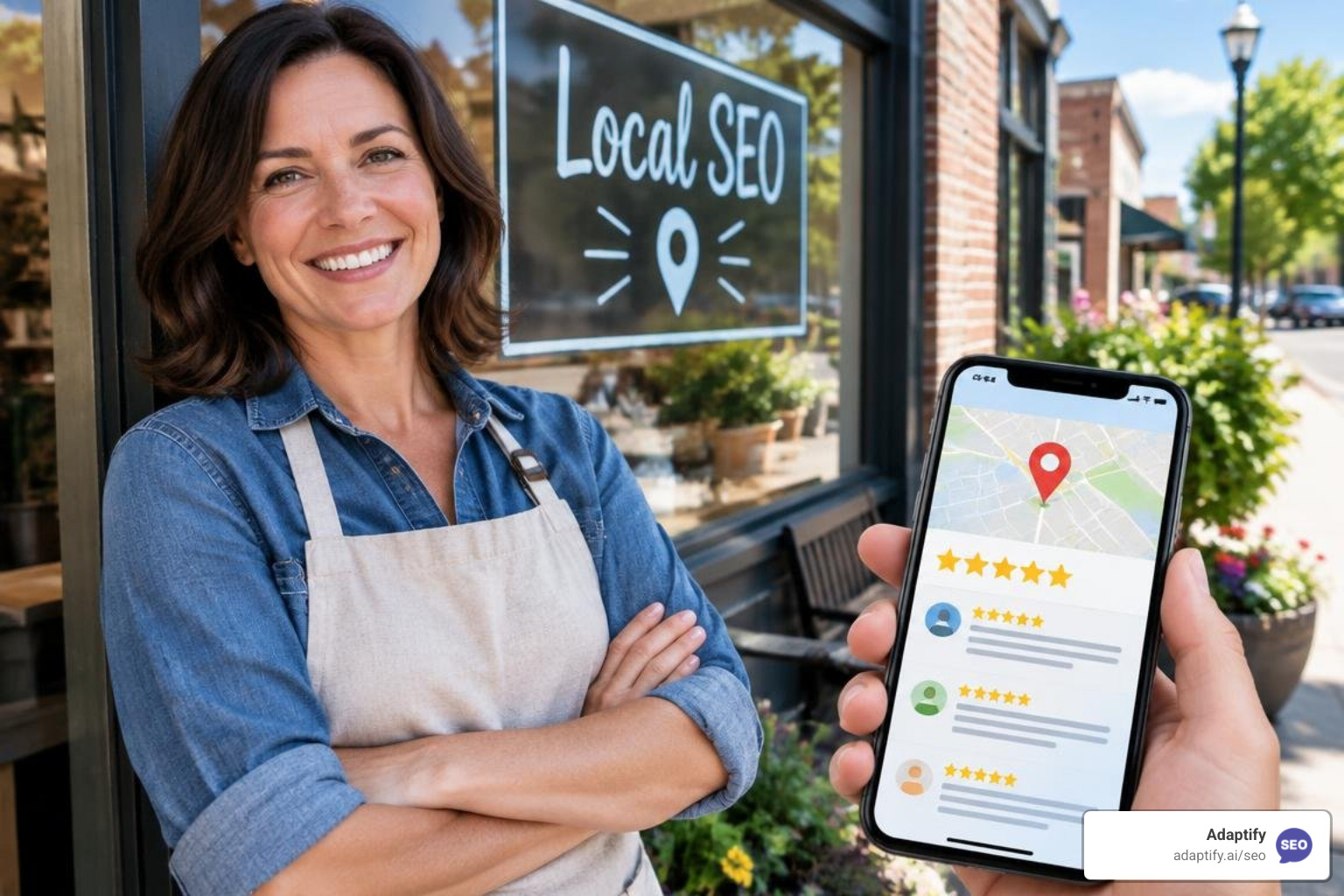
Stop being invisible: discover what the best local SEO strategies for small businesses are to dominate Google Maps, reviews, and AI search...
Master localized SEO to rank your local business in Google Maps and drive more in-store visits.
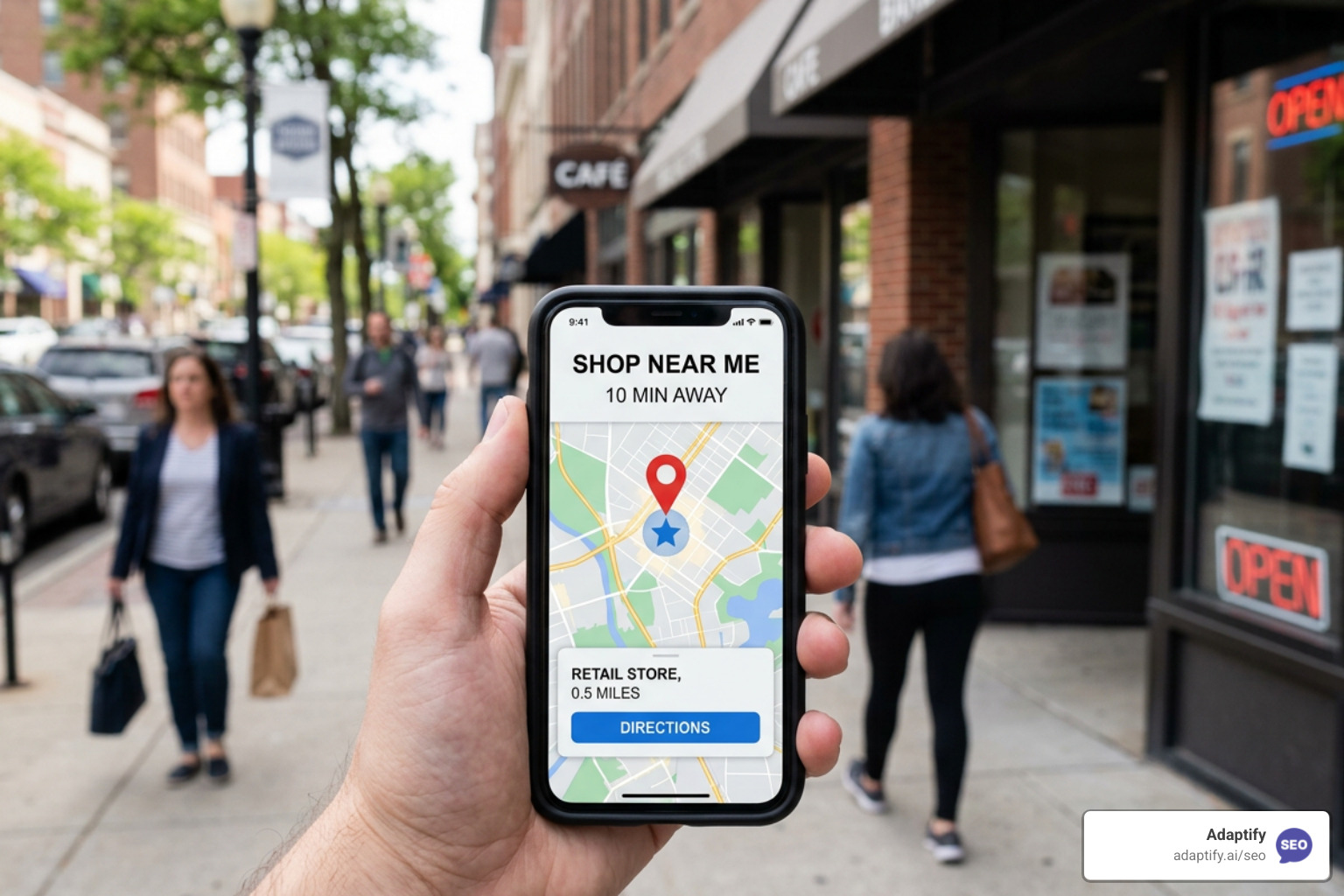
Master local retail SEO to drive foot traffic from Google with proven strategies for GBP, reviews, and AI search optimization.
Join 1,000+ agencies already delivering SEO and AI visibility from a single platform without increasing their headcount.Join 1,000+ agencies already delivering SEO and AI visibility from a single platform without increasing their headcount.