Mastering Client Communication: The Power of White Label Reporting

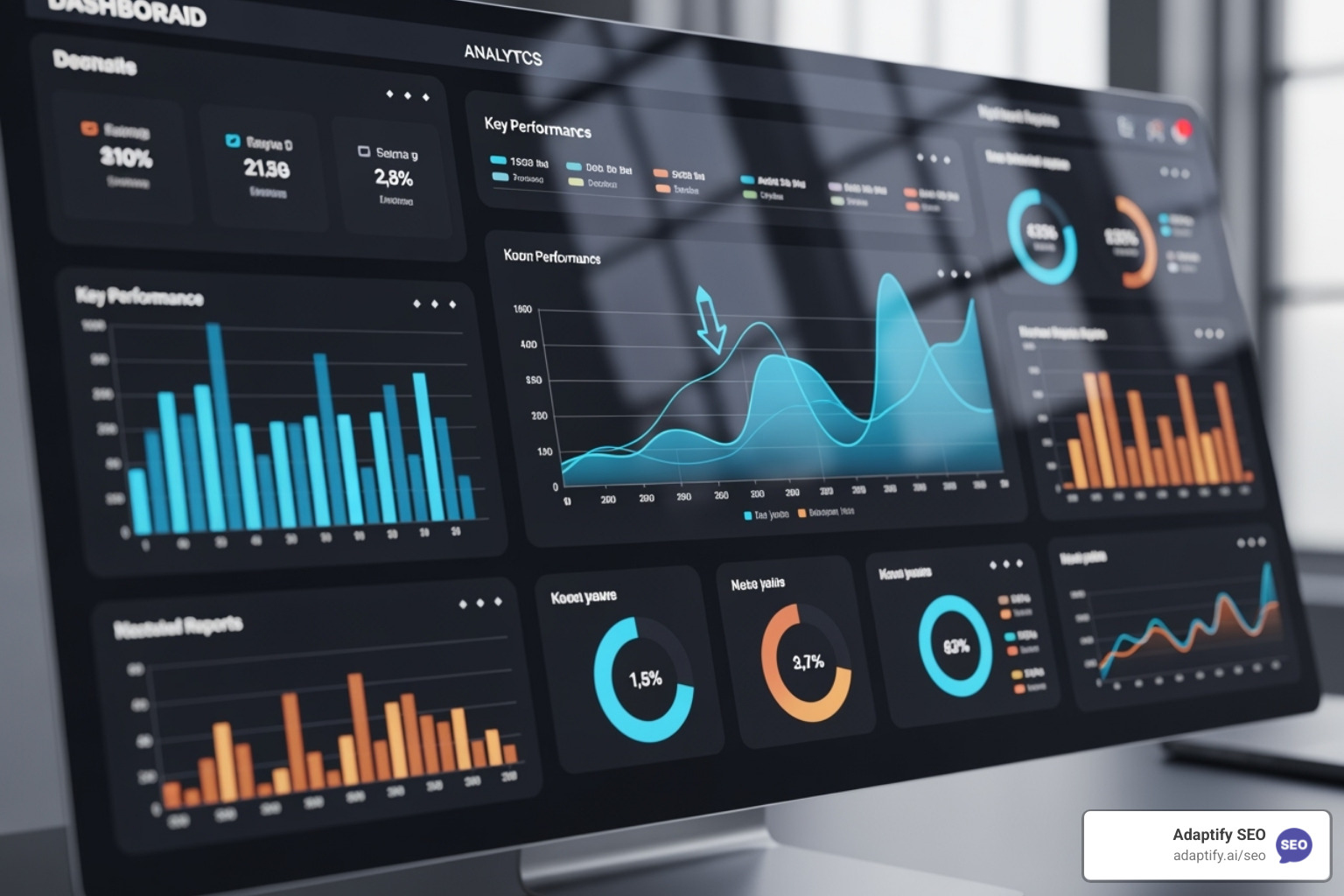

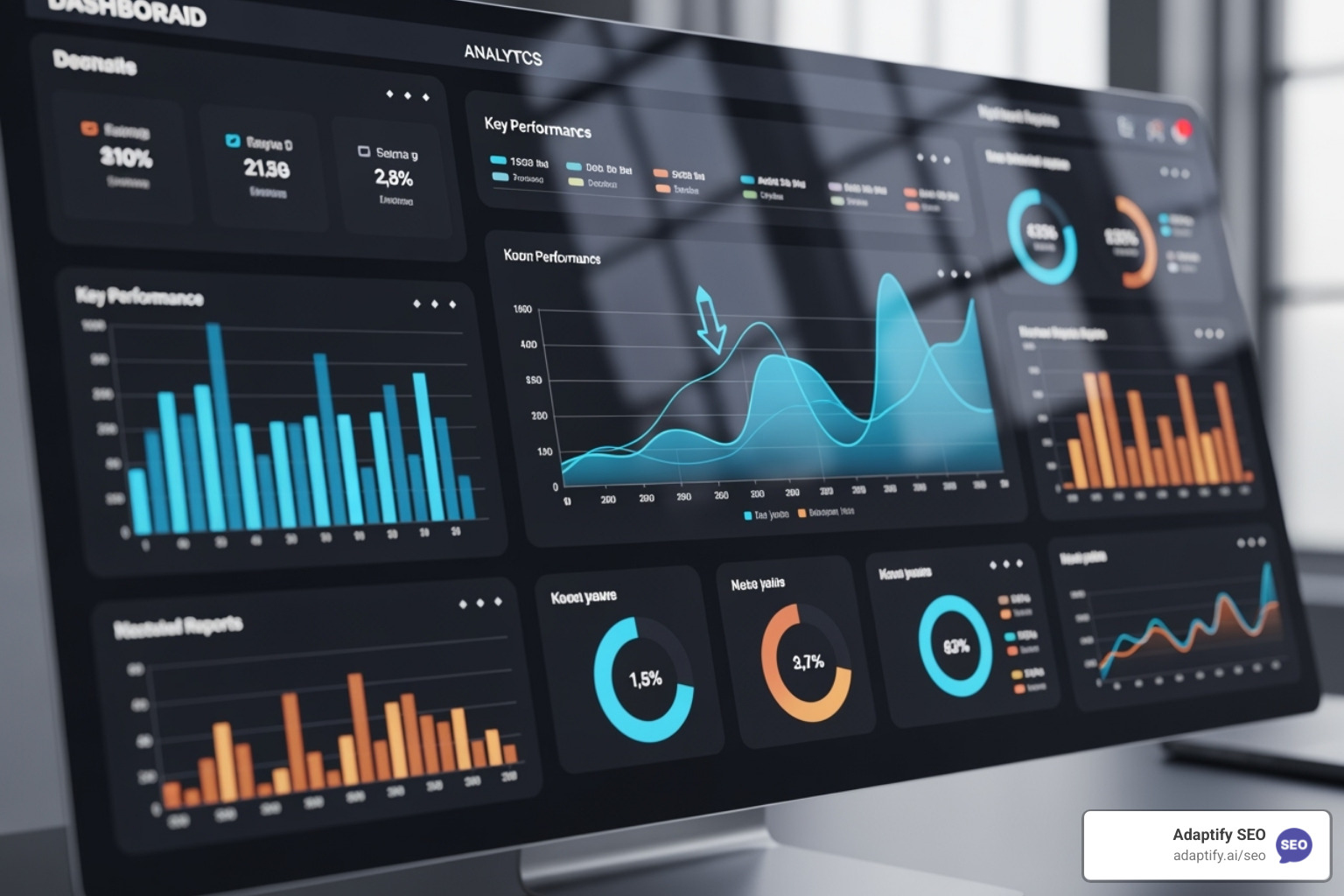
A white label reporting tool is a sophisticated software solution that empowers agencies to create and deliver fully branded client reports. By leveraging these platforms, an agency can replace the software provider's branding with its own logo, custom color schemes, and even host the reports on a private domain. These tools are designed to aggregate data from a multitude of marketing platforms—such as Google Analytics, social media channels, PPC networks, and SEO software—into a single, cohesive dashboard. This process automates what is often a painfully manual task, saving significant time and resources. More importantly, it allows agencies to present data in a professional, polished format that consistently reinforces their brand identity. The strategic adoption of a white label reporting tool is a direct driver of improved brand consistency, improved client retention, greater operational scalability, and significant cost-effectiveness.
Does this all-too-common scenario sound familiar? An important client sends a one-line email asking about a recent dip in website traffic. Suddenly, your day is derailed. You spend the next two hours frantically digging through Google Analytics 4, cross-referencing data in Google Search Console, and trying to find ranking changes in Ahrefs or Semrush. The end result is a hastily assembled slide deck, riddled with screenshots and lacking a clear narrative. This painful reality is a daily struggle for marketing agencies, where manual reporting can consume an astonishing 30-40 hours per month for a single account manager. This administrative burden transforms what should be a moment of value-driven client communication into a time-consuming, low-value nightmare that drains morale and profitability.
The fundamental solution isn't to work longer or harder; it's to work smarter by leveraging technology that transforms chaotic, siloed data into professional, insightful, and branded reports. A white label reporting tool doesn't just save time—it fundamentally lifts your agency's perceived value. It positions you as a sophisticated, data-driven partner who delivers clear, consistent, and professional communication. This shift strengthens client relationships, improves operational efficiency, and ultimately provides a powerful competitive advantage in a crowded marketplace.
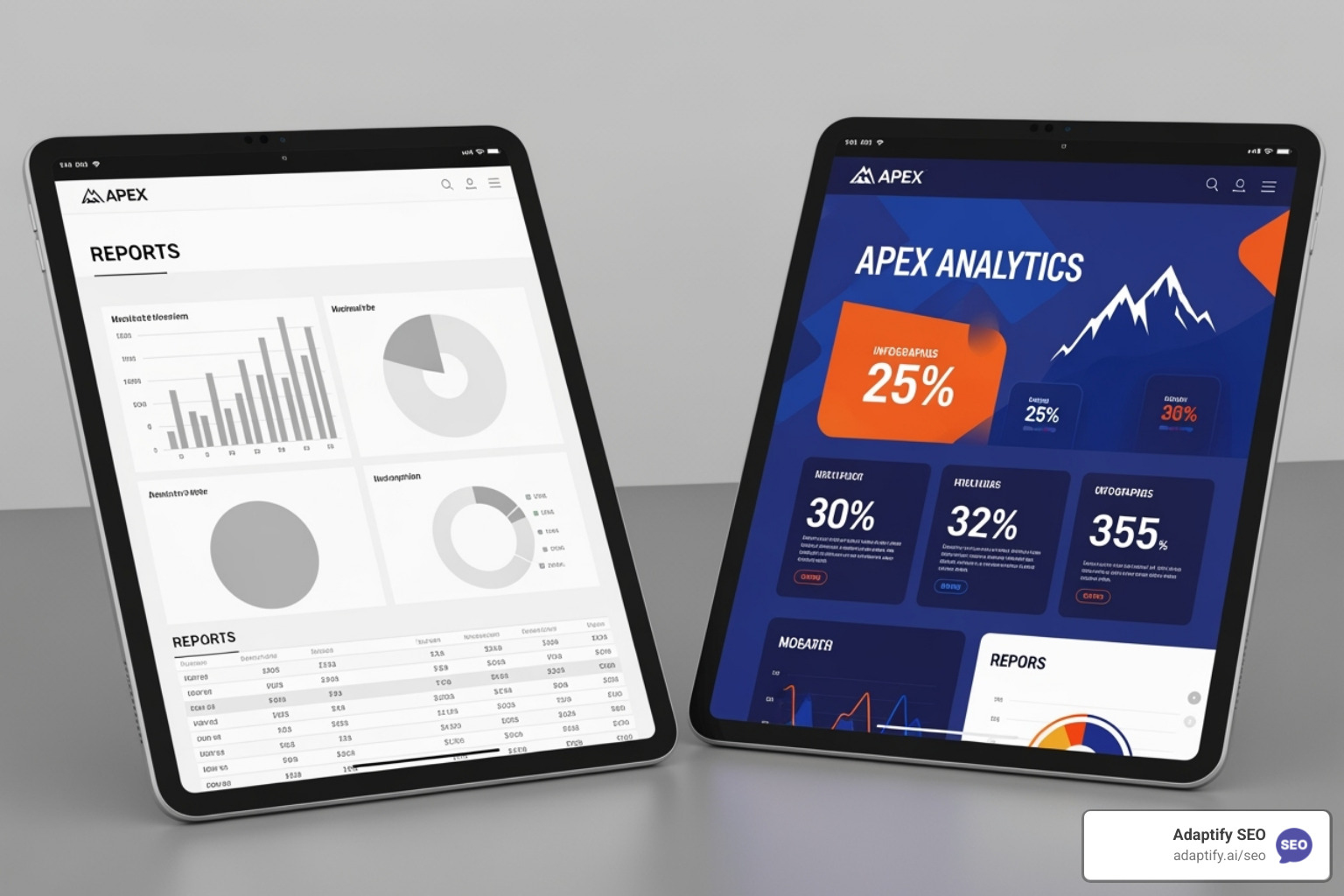
White label reporting tools are powerful analytics and data visualization platforms that agencies can legally rebrand and present to clients as their own proprietary technology. In this arrangement, the software provider handles the complex backend work—data collection, API integrations, platform maintenance, and security—while the agency gets all the credit for delivering polished, professional, and insightful reports. This creates a unified and seamless client experience that reinforces the agency's brand at every touchpoint, building immense client trust and loyalty. As marketing leader Darian Kovacs of Jelly Digital Marketing & PR aptly describes it, this capability is a "game-changer for client communications," changing reporting from a chore into a strategic asset.
In today's hyper-competitive market, every client interaction is an opportunity to reinforce value or introduce doubt. White-label reporting is no longer a 'nice-to-have'; it's a crucial component of a modern agency's operational stack for several key reasons:
reports.youragency.com, you are constantly reinforcing your agency's professionalism and value. It subtly communicates that you have invested in a high-end, proprietary system for their benefit.For more insights on how white-label services can transform your agency operations, you can find extensive information on white-label SEO and marketing services.
The "build vs. buy" debate is a recurring theme in agency boardrooms, but for the vast majority, the choice is overwhelmingly clear. Building a proprietary reporting platform is a monumental undertaking that essentially requires you to become a software company.
Unless your agency's primary business goal is to pivot into the competitive SaaS industry, it is far more strategic and profitable to leverage a proven, best-in-class white-label solution. Let the software experts handle the technology so you can focus on what you do best: delivering outstanding client results.
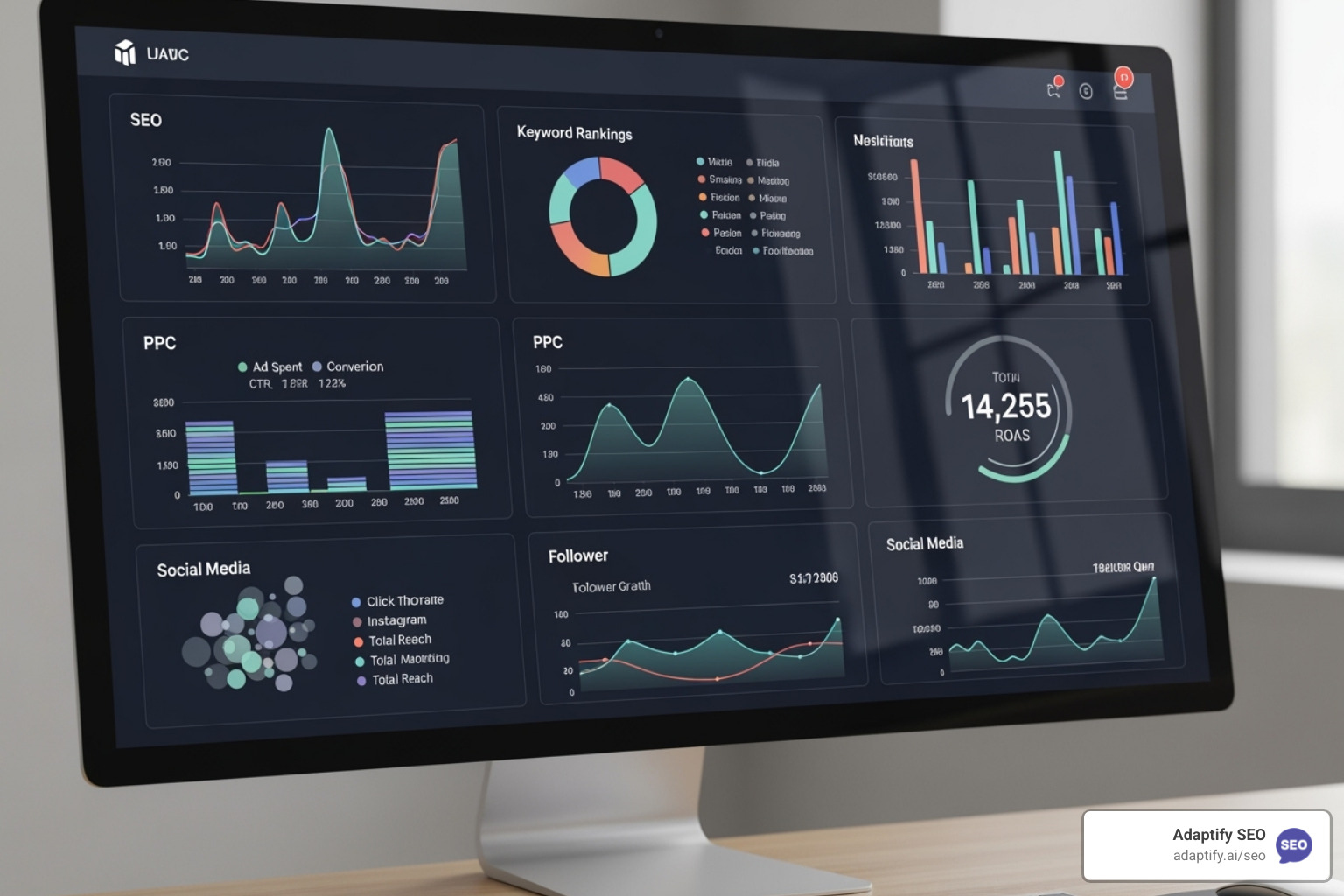
A high-quality white label reporting tool does more than just make pretty charts; it fundamentally transforms your agency's operations and client relationships. It lifts your team from data compilers to strategic advisors. The core benefits are driven by a suite of powerful features, including deep automation that eliminates tedious manual work, seamless integration that pulls disparate data sources into one cohesive view, and rich customization that allows you to tailor reports to each client's unique goals and KPIs.
Your brand is a promise of quality, consistency, and expertise. White-label tools are designed to ensure every data-driven touchpoint reinforces that promise, building unshakeable client confidence.
reports.youragency.com is a powerful trust signal. It presents the reporting platform as your own proprietary technology, elevating your status from a service provider to a technology-enabled partner.As Adam Binder, a leader at Creative Click Media, noted, the ability to fully white label reports with their branding "completely transformed their reporting process, making it more efficient and professional." This consistency is the bedrock of client confidence. This principle of professional presentation is just as vital in other client-facing documents, such as SEO proposals.
The most significant and immediate operational improvement from a white-label tool comes from automation. By eliminating manual data entry and report creation, you can reclaim hundreds of hours per year. Tools like AgencyAnalytics, DashThis, and Whatagraph offer dozens of native integrations, creating a centralized data hub that automatically pulls in fresh data from sources like Google Analytics 4, Google Search Console, Google Ads, Facebook Ads, and LinkedIn Ads. This automation can slash reporting time from 30-40 hours a month per team member to just a few hours spent on analysis and adding strategic commentary. Furthermore, scheduled report delivery ensures that clients receive their updates on time, every time, without any last-minute scrambling from your team.
In the agency world, how you present results is often as important as the results themselves. Providing clients with 24/7 access to a live, interactive dashboard via a client portal builds unparalleled transparency and trust. Unlike static PDFs that represent a single point in time, real-time dashboards tell an ongoing story of progress. They allow clients to see performance against their goals, track ROI in near real-time, and explore the data that matters most to them. This shift from periodic, static reports to constant, dynamic access empowers clients and solidifies your role as an indispensable and valuable partner. As Jeff Schroeffel from Pittsburgh Internet Consulting shared, implementing such a tool helped them "close new accounts and improve customer satisfaction," proving that professional reporting is not just an operational tool but a powerful sales and retention asset.

Selecting the right white label reporting tool is a critical strategic decision, akin to choosing a long-term business partner. This software will become the face of your data delivery and a primary interface for your clients. Therefore, it's crucial to find a solution that not only meets your current technical needs but also aligns with your agency's culture, client types, and future growth ambitions. The ultimate goal is to find the perfect balance between powerful, comprehensive functionality and an intuitive, user-friendly experience for both your team and your clients.
Most reporting tools use a subscription-based model, but the specifics can vary significantly. It's vital to understand how costs will scale as your agency grows. Common models include pricing based on the number of clients or campaigns, feature tiers, or the number of user seats. Always use free trials to test the tools with real client data, as this will often reveal limitations or hidden costs not apparent in a sales demo. The true ROI isn't just the monthly subscription fee; it's the value of the hours saved on manual reporting combined with the financial impact of improved client retention. This investment should be considered within the context of your overall service pricing and agency profitability.
Selecting the right white label reporting tool is a highly specific process that depends on your agency's unique workflow, client base, budget, and long-term growth trajectory. The market is populated with excellent options, each with distinct strengths and ideal use cases. Below is a comparison of some of the leading platforms, followed by best practices for successful implementation.
| Tool Name | Best For | # of Integrations | White-Label Depth | Starting Price (approx.) |
|---|---|---|---|---|
| AgencyAnalytics | All-in-one agency reporting & client management | 80+ | Full customization (logo, colors, custom URL, mobile app branding), client portals | $59/month |
| DashThis | Customizable dashboard templates & automation | 34+ | 100% white-label (custom domain, theme, email address), unlimited users/integrations | $49/month (3 dashboards) |
| Whatagraph | Automated marketing reports & visual appeal | 100+ | Full branding, custom domains, automated delivery, pre-built templates | $249/month (up to 5 users) |
| Databox | Centralized data visualization & KPI tracking | 70+ | White-label dashboards, custom branding, client access | $47/month |
| Semrush | Comprehensive SEO & PPC reporting | Varies | 100% white-label customization for PPC reports, SEO reports (logos, colors, custom domains) | Varies (part of larger suite) |
| Search Atlas | White Label SEO Software & Deliverables | Varies | Fully white-labeled dashboard and custom reporting, custom domain, resell 50+ SEO deliverables | $99/month |
Note: Prices are approximate and can vary. Always check the provider's website for current pricing.
The most effective way to choose is to shortlist two or three top contenders and run their free trials concurrently using the same set of real client data. This hands-on comparison will quickly reveal which platform best fits your workflow, a process we often see highlighted in successful SEO case studies.
Successfully implementing a new tool is not just about technology; it's about upgrading your entire client communication strategy. Follow these steps for a seamless and impactful transition:
portal.youragency.com), and customize the automated email reports to reflect your brand's tone of voice. This professional touch makes a significant difference.Here are detailed answers to the most common questions we hear from agencies that are considering investing in a white label reporting tool.
This is a critical distinction. White-label reporting is completely rebranded to appear as your agency's own proprietary software. Your clients will only ever see your logo, your color scheme, and access the dashboard through your custom domain. There is no mention of the underlying software provider. This builds maximum brand equity and positions you as a sophisticated, technology-enabled agency. Co-branded reporting, on the other hand, includes both your logo and the software provider's branding (e.g., "Powered by [Tool Name]"). While better than no branding, it dilutes your brand's impact and can lead clients to investigate the tool themselves. For agencies that want to build the strongest possible brand and maintain their position as the sole expert, 100% white-label is unequivocally the superior choice.
Reputable software providers take data security far more seriously than an individual agency typically can, as their entire business reputation depends on it. They employ multiple layers of enterprise-grade protection, which becomes a key selling point for your agency. These layers include:
This robust security framework is a standard feature, protecting both your agency and your clients from data breaches.
Absolutely. This is one of the most powerful use cases for these tools, especially for SEO agencies. The best platforms integrate seamlessly with all the essential SEO data sources, including Google Analytics 4, Google Search Console, Google Business Profile, and various third-party rank trackers (or they have their own built-in). This allows you to create dedicated white label rank tracking reports and comprehensive SEO dashboards that combine keyword rankings, backlink profile growth, site audit health scores, and organic traffic and conversion data into a single, cohesive story. This makes it incredibly easy to demonstrate the direct ROI of your SEO efforts in a professional, branded format that clients can easily understand. At Adaptify.ai, we view this integrated reporting capability as a cornerstone of modern, effective SEO service delivery.
This is a practical question with a significant financial answer. Consider an account manager who handles five clients and spends, on average, six hours per client each month on manual reporting (gathering data, taking screenshots, building slides, adding commentary). That's 30 hours of non-billable, administrative work every month. With a white-label reporting tool and pre-built templates, this process can be reduced to 15-30 minutes per client, primarily for reviewing the auto-populated data and adding strategic, high-value commentary. This would save over 25 hours per month for that one employee, time that can be reinvested into strategy, client communication, and upselling—activities that directly generate revenue.
This is a common need for agencies with unique data requirements. Many top-tier reporting tools address this by offering a flexible integration with Google Sheets. You can export data from any proprietary or unsupported system into a Google Sheet, which then syncs automatically with your reporting dashboard. Some advanced platforms also provide a public API, allowing your development team to push custom data directly into the reporting system for ultimate flexibility.
Throughout this guide, we've explored how white label reporting tools can fundamentally transform your agency's operations, moving you from the chronic pain of manual reporting to a streamlined world of professional, automated, and strategic insights. The benefits are not just clear; they are compounding, creating a virtuous cycle of improvement across your entire business.
In today's competitive digital marketing landscape, a white label reporting tool is not a luxury item; it is a strategic investment in your agency's growth, operational efficiency, and future scalability. It is the mechanism that positions you not just as a service provider, but as a sophisticated, data-driven partner who delivers an exceptional and seamless client experience from start to finish.
At Adaptify.ai, we believe that reporting is not the end of the story, but a critical piece of the integrated SEO puzzle. While standalone reporting tools solve one part of the problem, true efficiency comes from a platform that integrates robust white-label reporting with AI-powered strategy, content creation, and link building. We streamline your entire service delivery workflow, helping you prove your value effortlessly and scale your agency profitably.
Ready to transform how you deliver and demonstrate value to your clients?

Compare automated SEO vs manual SEO to build a hybrid workflow that scales rankings with human oversight in 2026.

Master SEO service differentiation to stand out in a crowded market and prove your agency's unique business-first value.
Stop wasting hours—automate your SEO reports to boost agency efficiency and client trust.
Join 1,000+ agencies already delivering SEO and AI visibility from a single platform without increasing their headcount.Join 1,000+ agencies already delivering SEO and AI visibility from a single platform without increasing their headcount.