Rank Tracking on Autopilot Without Losing the Plot


An automated rank tracker is software that monitors your website's keyword positions in search engine results pages (SERPs) on a set schedule - without anyone on your team having to lift a finger. Because search results are generated from constantly updated, automated systems, as explained in Google's overview of how Google Search works, agencies need a repeatable way to measure where clients appear over time.
Here's what it does, in plain terms:
If you or your team is still opening a browser, typing keywords into Google, and writing positions down in a spreadsheet - that's manual tracking. It's slow, inaccurate (Google personalizes results based on your location and history), and completely unscalable if you manage more than a handful of clients.
The difference is significant. A tool like Local Dominator, for example, can scan an entire city grid automatically on a schedule. SEOmonitor tracks every keyword daily across the full top 100 results. Nightwatch covers over 107,000 locations worldwide. None of that is possible with a manual process.
The core problem for agencies isn't that they don't care about rankings - it's that checking them properly takes time they don't have.
I'm Hansjan Kamerling, a product designer and marketing consultant who has built and scaled SaaS platforms for thousands of users, and I've seen how the right automated rank tracker can transform an agency's reporting workflow from a weekly headache into a hands-off system. In this guide, I'll walk you through everything you need to set it up, interpret the data, and actually use it to grow.
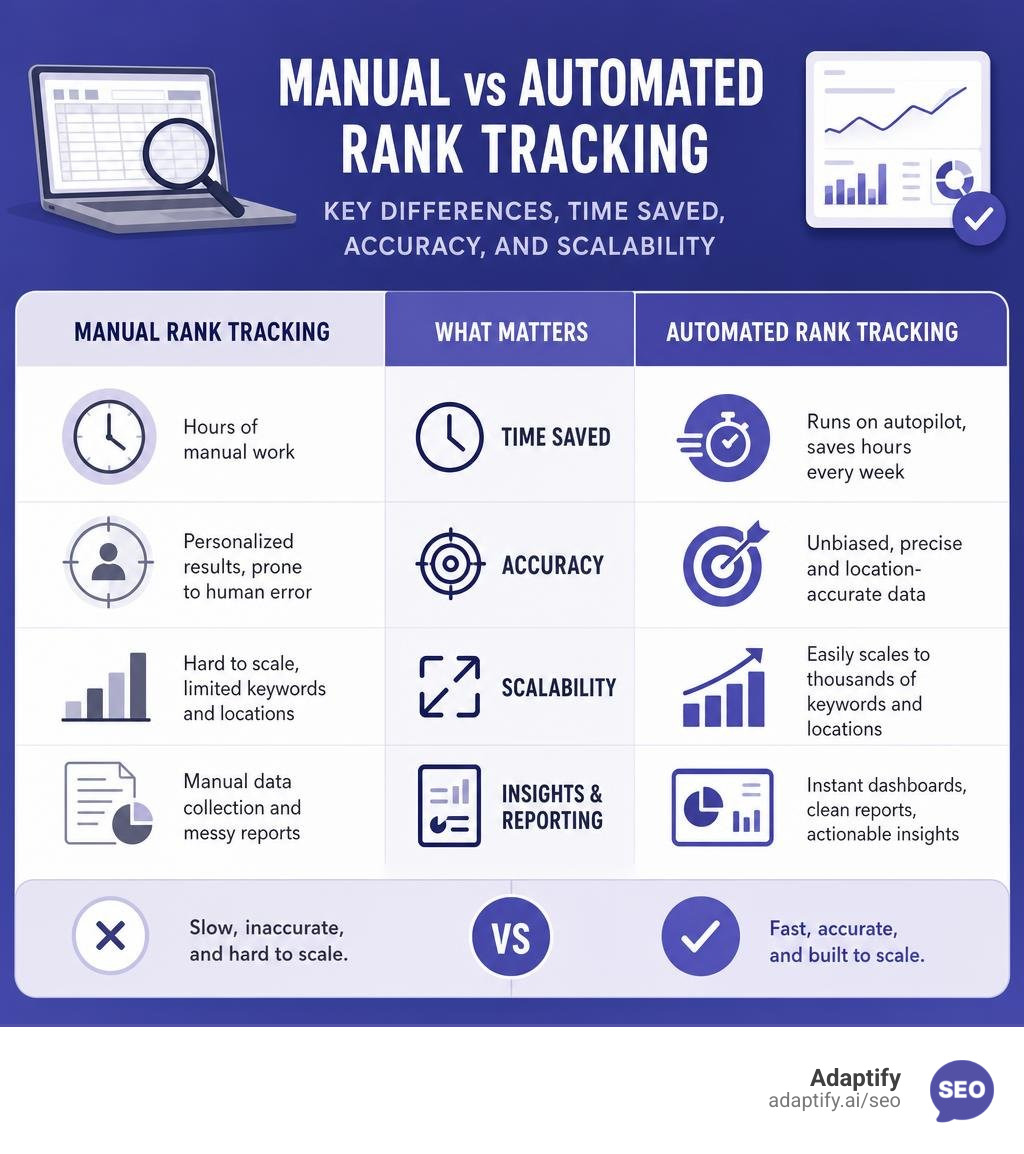
If you are running an agency, time is your most precious resource. Spending hours manually searching keywords and compiling reports is a fast track to burnout and low margins. I always tell agencies to Stop Guessing and Start Tracking with SEO Ranking Monitoring.
When you automate this process, you gain access to a continuous stream of clean, un-personalized rank tracking data. This structured feedback loop gives you the visibility needed to adjust your strategies in real-time. Instead of looking at a single day's position, you gain a deep position history that shows whether your optimization efforts are actually moving the needle over a 30, 60, or 90-day period.
Furthermore, automated competitor tracking allows you to monitor up to hundreds of rival domains simultaneously. When a competitor launches a new campaign or steals your featured snippet, your system alerts you immediately.
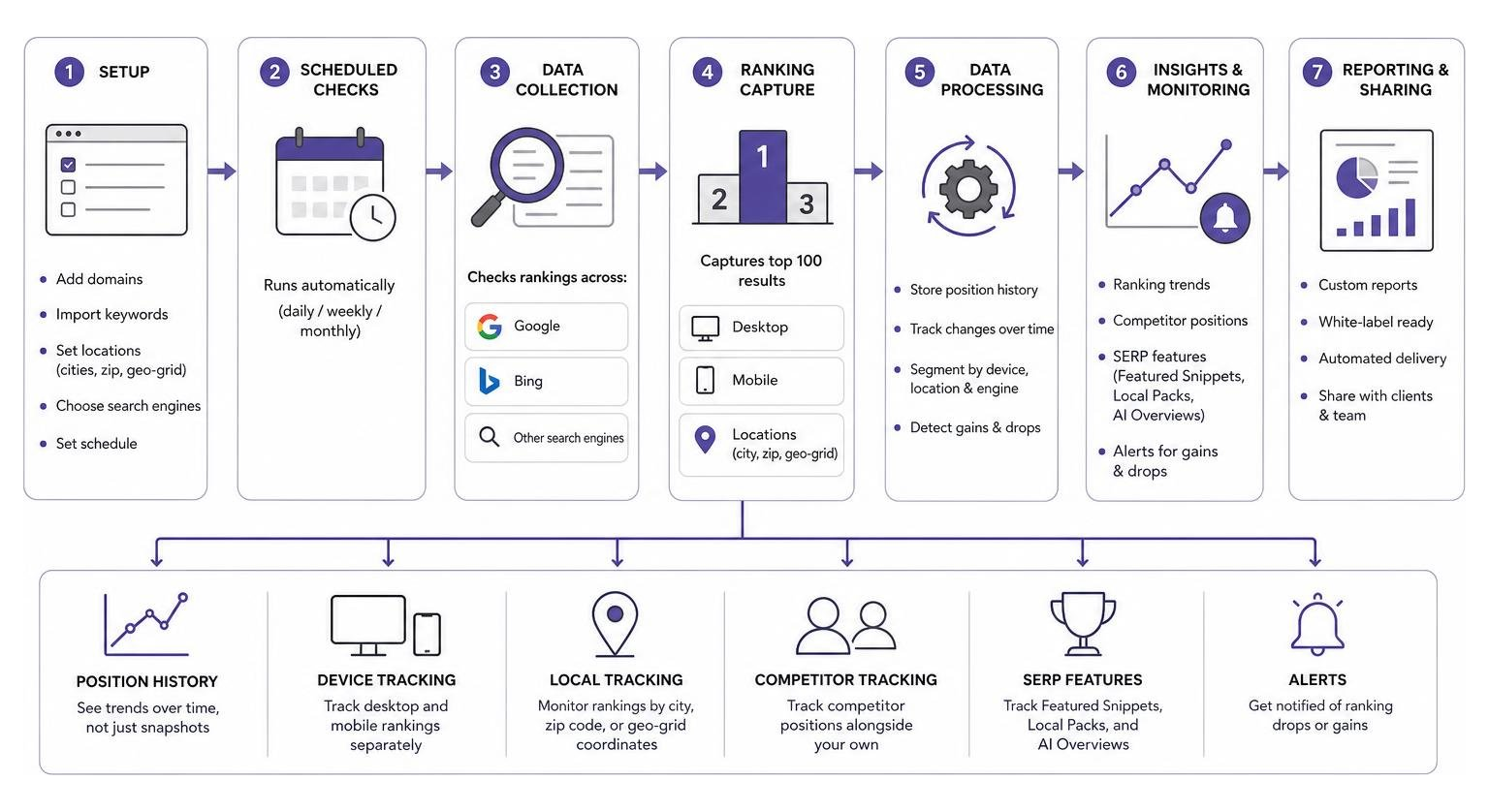
A modern automated rank tracker does not just check Google desktop results from a single server. It replicates search behavior across multiple search engines like Google, Bing, and Yahoo, ensuring you capture the full picture of your search visibility. You can learn more about configuring these parameters in our guide on Tracking Triumph: How to Monitor Your Keyword Rankings.
Because Google uses mobile-first indexing, desktop and mobile SERPs are completely different animals. A mobile user might see a completely different set of results due to their physical location, device screen size, and local intent. Automated trackers query these search engines using specific device user-agents to track mobile and desktop rankings separately.
With flexible crawl frequency settings, you can choose to update rankings daily, weekly, or monthly. For highly volatile campaigns, daily tracking is the gold standard, allowing you to correlate ranking shifts with specific site changes or search engine algorithm updates. If you want to keep a close eye on your organic performance, you can use specialized tools to keep track of your Google rankings.
For local businesses and multi-location franchises, traditional rank tracking is practically useless. Proximity bias means that a searcher standing inside a restaurant will see different results than someone searching from two miles away.
To solve this, advanced automated trackers use geo-grids (typically 7x7 or 9x9 grids) to run automated, recurring scans across specific coordinates and zip codes. This allows you to map out your local visibility on a highly visual heatmap.
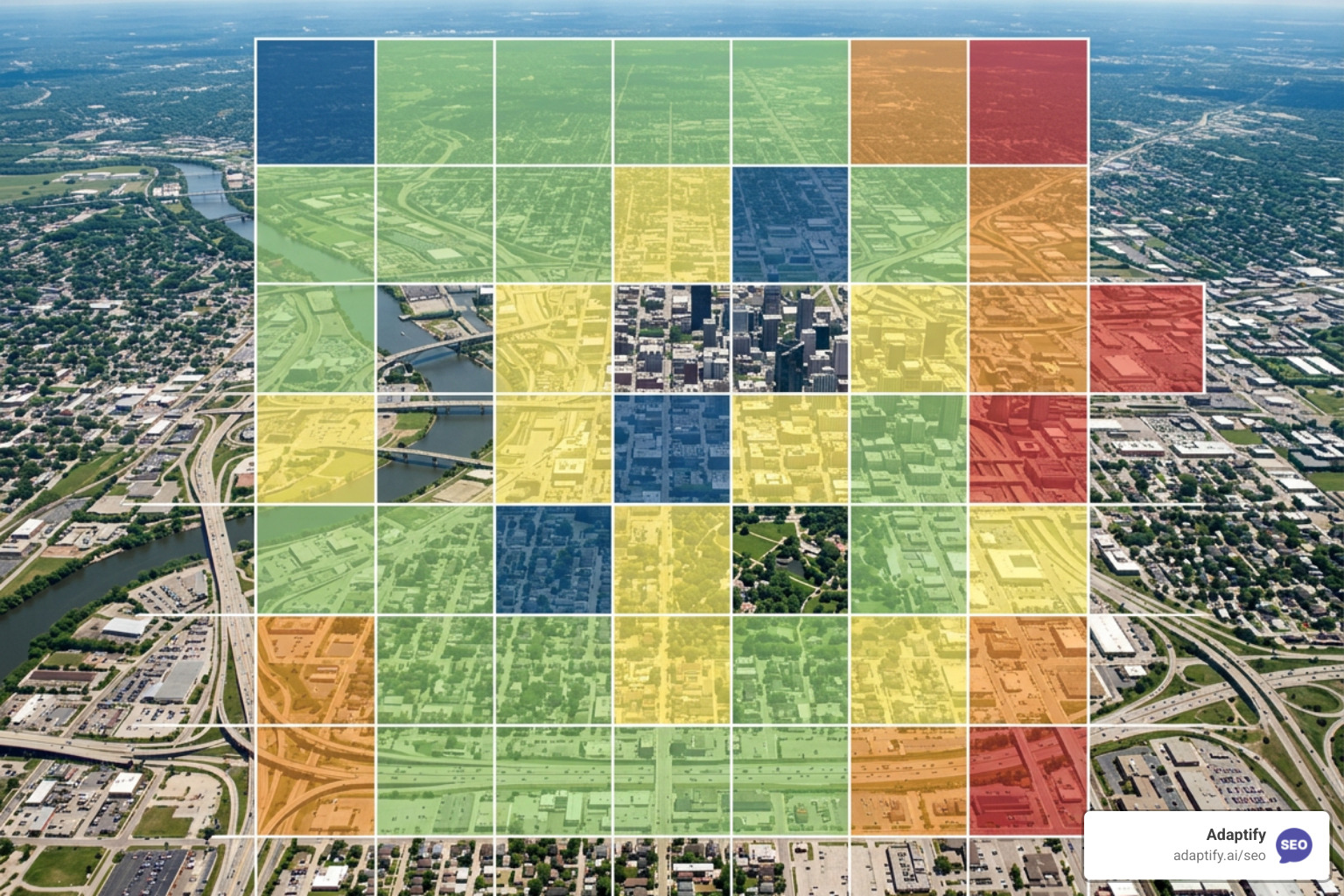
To master this level of local search, check out our deep dives on Local Rank Tracking: The Secret Sauce for Hyperlocal Visibility, Heatmap Your Way to the Top: Mastering Geogrid Rank Tracking, and Google Business Profile Tracking: How to Monitor Your Local Search Success. By automating these local coordinates, you can prove to your clients exactly which neighborhoods they dominate and where they need more local citations.
Search results are no longer just "ten blue links." In 2026, the modern SERP is crowded with Featured Snippets, Local Packs, People Also Ask boxes, and AI Overviews. If your rank tracker only measures standard organic positions, you are missing half the story.
To stay ahead, you need to track your visibility across both traditional search engines and generative AI platforms. I recommend reading our guide to Stop Guessing and Start Benchmarking Your AI Search Performance to understand how these systems operate.
Furthermore, Google's removal of the &num=100 URL parameter has made deep crawling more resource-intensive. Leading platforms have adapted by using Dynamic Depth Crawling to map the entire top 100 results daily, ensuring you don't lose visibility in volatile zones (positions 11-50), which can be up to 22 times more volatile than the top 3. Modern trackers also monitor citations across LLM engines like ChatGPT, Gemini, and Perplexity to ensure your brand is being recommended in conversational search.
An automated rank tracker shouldn't exist in a vacuum. It needs to connect with your existing marketing stack, including Google Analytics, Google Search Console (GSC), and Looker Studio.
One of the most powerful benefits of integrating your rank tracker with Google Analytics is the ability to recover "not provided" keywords. By blending GSC landing page data, organic traffic, and your tracker's keyword position history, you can build "Now Provided" reports that show exactly which search terms are sending conversions to your site.
For agencies, presenting this data clearly is vital. Automated, white-label client dashboards allow you to send scheduled, branded reports directly to your clients.
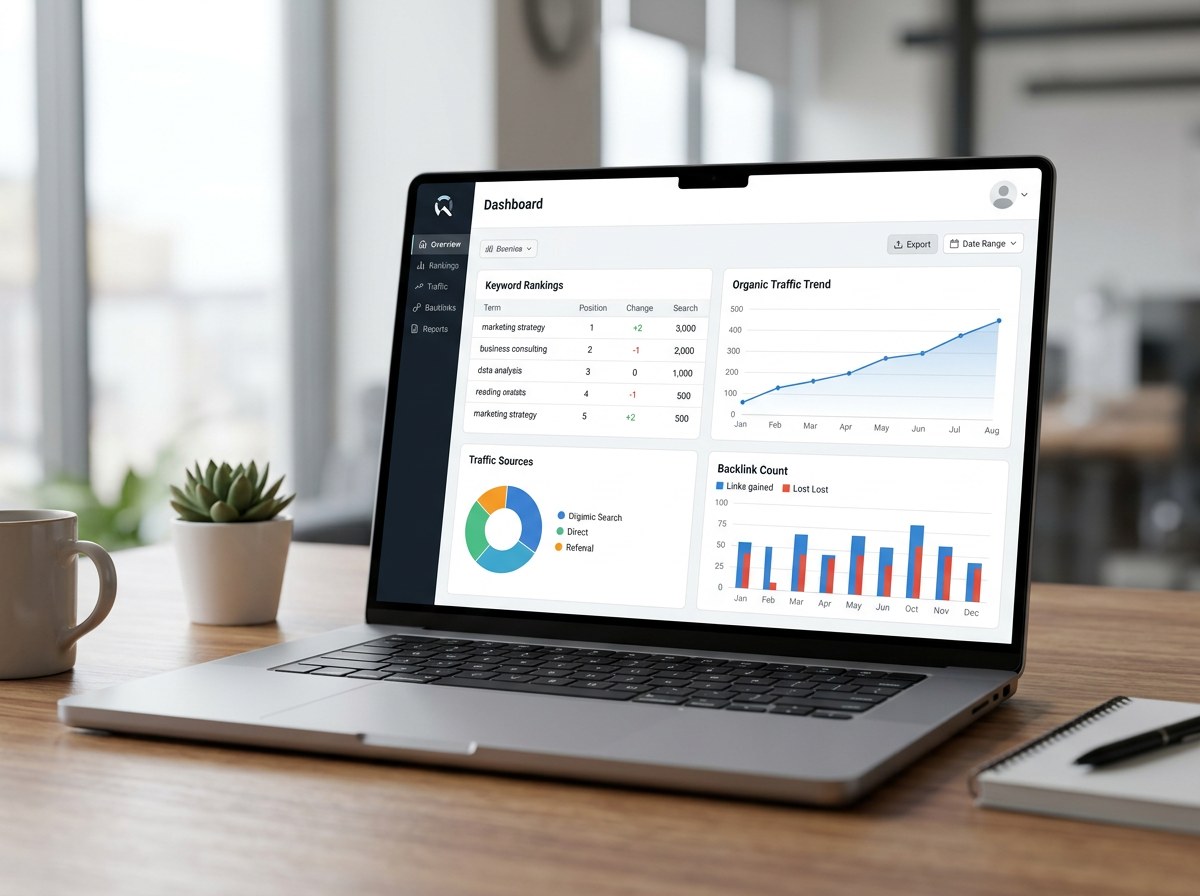
When selecting an automated rank tracker, you must balance features, accuracy, and cost. Enterprise-grade tools use proprietary networks of localized access points (rather than cheap, shared proxy pools) to bypass Google's personalization and deliver 99.9% accurate data.
Here is a quick breakdown of how agency-focused platforms compare to lightweight individual tools:
| Feature | Agency / Enterprise Trackers | Individual / Basic Tools |
|---|---|---|
| Keyword Capacity | Thousands to millions of keywords | 50 to 500 keywords |
| Location Precision | Zip code & geo-grid level | Country or city level |
| Reporting | Fully white-labeled, scheduled PDF/Web | Basic CSV exports or simple dashboards |
| AI/LLM Tracking | ChatGPT, Gemini, Perplexity visibility | None (traditional SERPs only) |
| API Access | Yes (REST API for custom pipelines) | No API or very limited access |
If you need a platform capable of handling global, local, and multi-engine tracking at scale, you should look for enterprise-grade tools that offer a unified look at traditional and LLM-based rankings across thousands of locations.
Even the best automated tools can deliver misleading data if they aren't configured correctly. To track like a pro, consult our guide on Climbing Google's Ladder – Tracking Your Keyword Rankings Like a Pro.
When setting up your tracking, keep these best practices in mind:
At the end of the day, rank tracking is only valuable if it helps you make better decisions and prove ROI to your clients. But as an agency grows, managing separate trackers, content optimization tools, and link-building spreadsheets becomes a logistical nightmare.
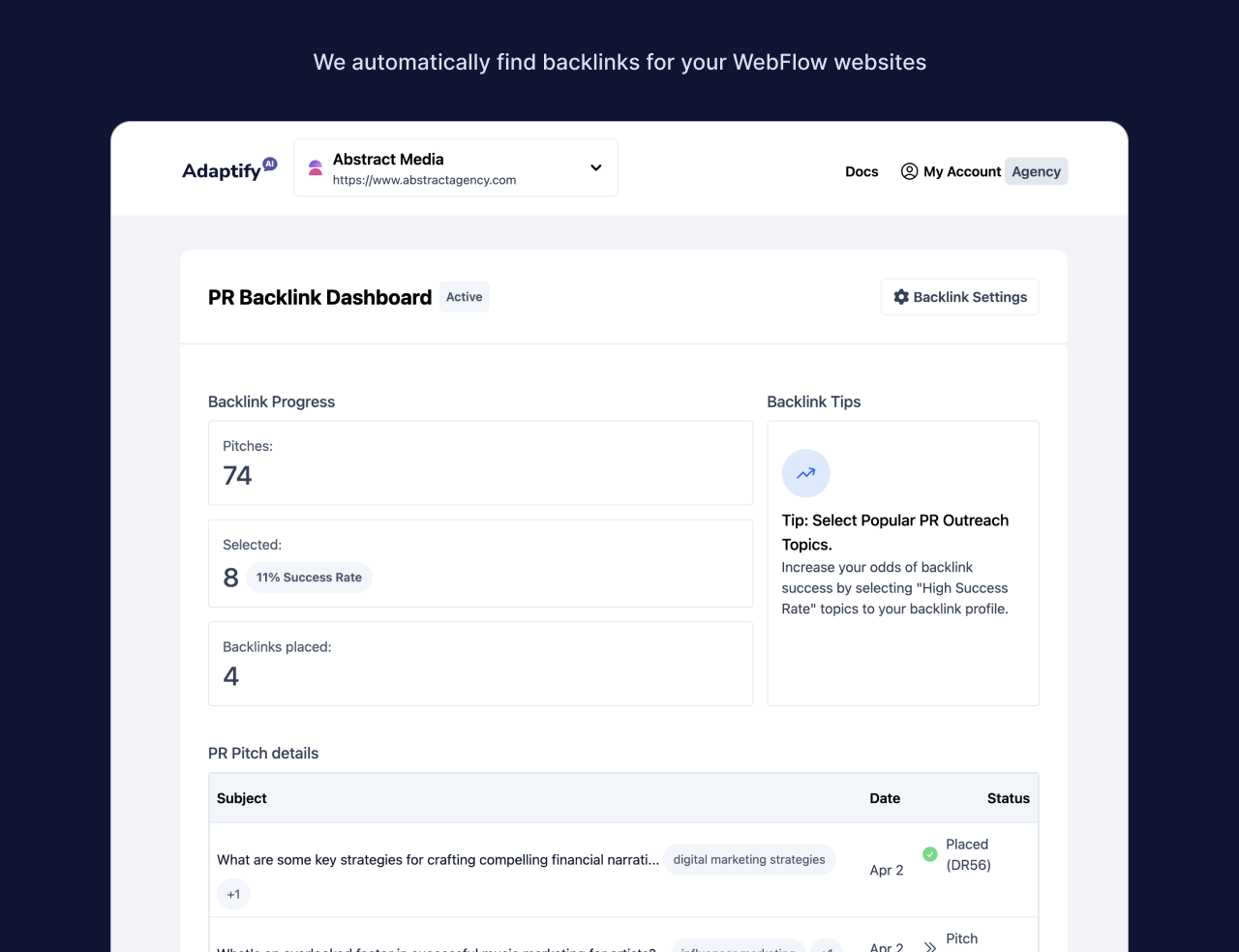
That is where Adaptify comes in. We offer a comprehensive, automated SEO solution designed specifically for agencies. By automating the heavy lifting — from initial keyword strategy and content creation to automated PR link building — we help you scale your client operations without adding to your overhead.
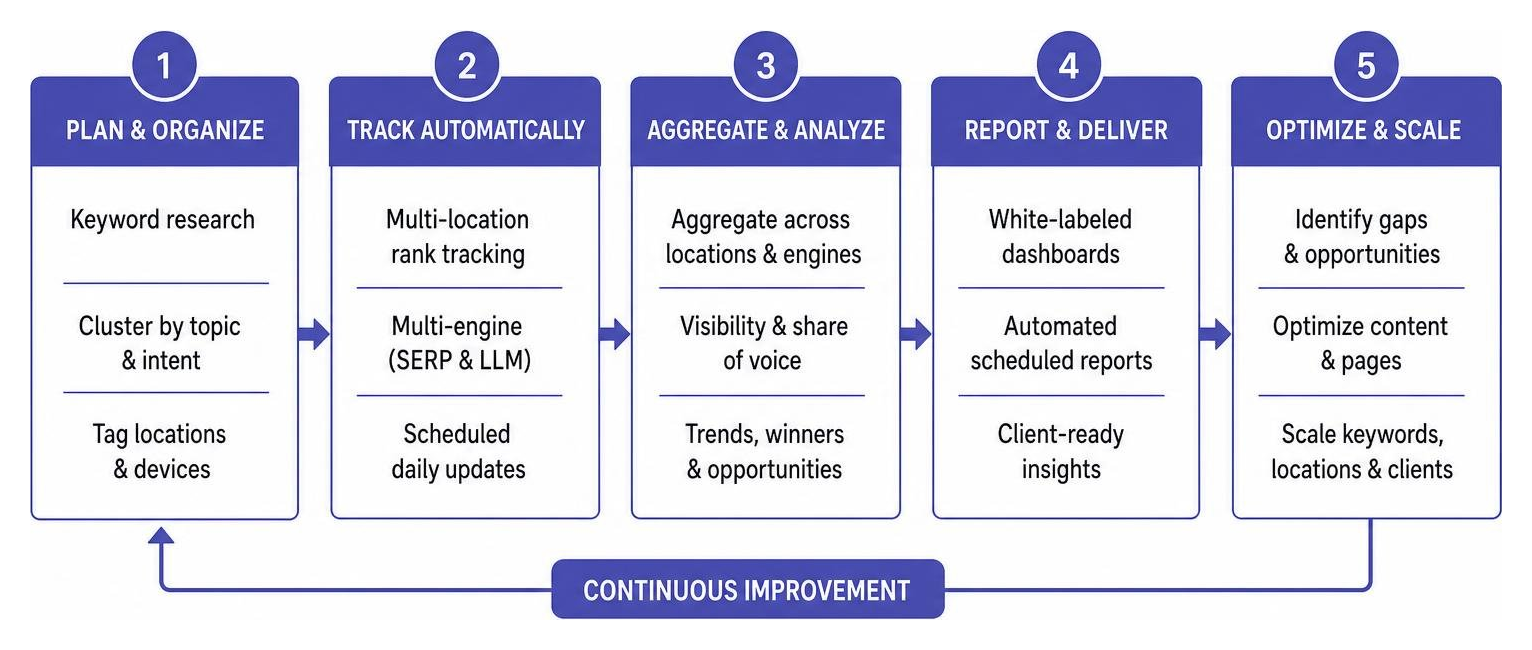
Instead of stitching together reports from five different platforms, you can leverage our white-label reporting to deliver stunning, automated dashboards that keep your clients happy and informed.
Ready to stop wasting hours on manual tracking and fragmented tools? Check out our pricing or sign up for a free demo today to see how Adaptify can put your agency's SEO on autopilot.
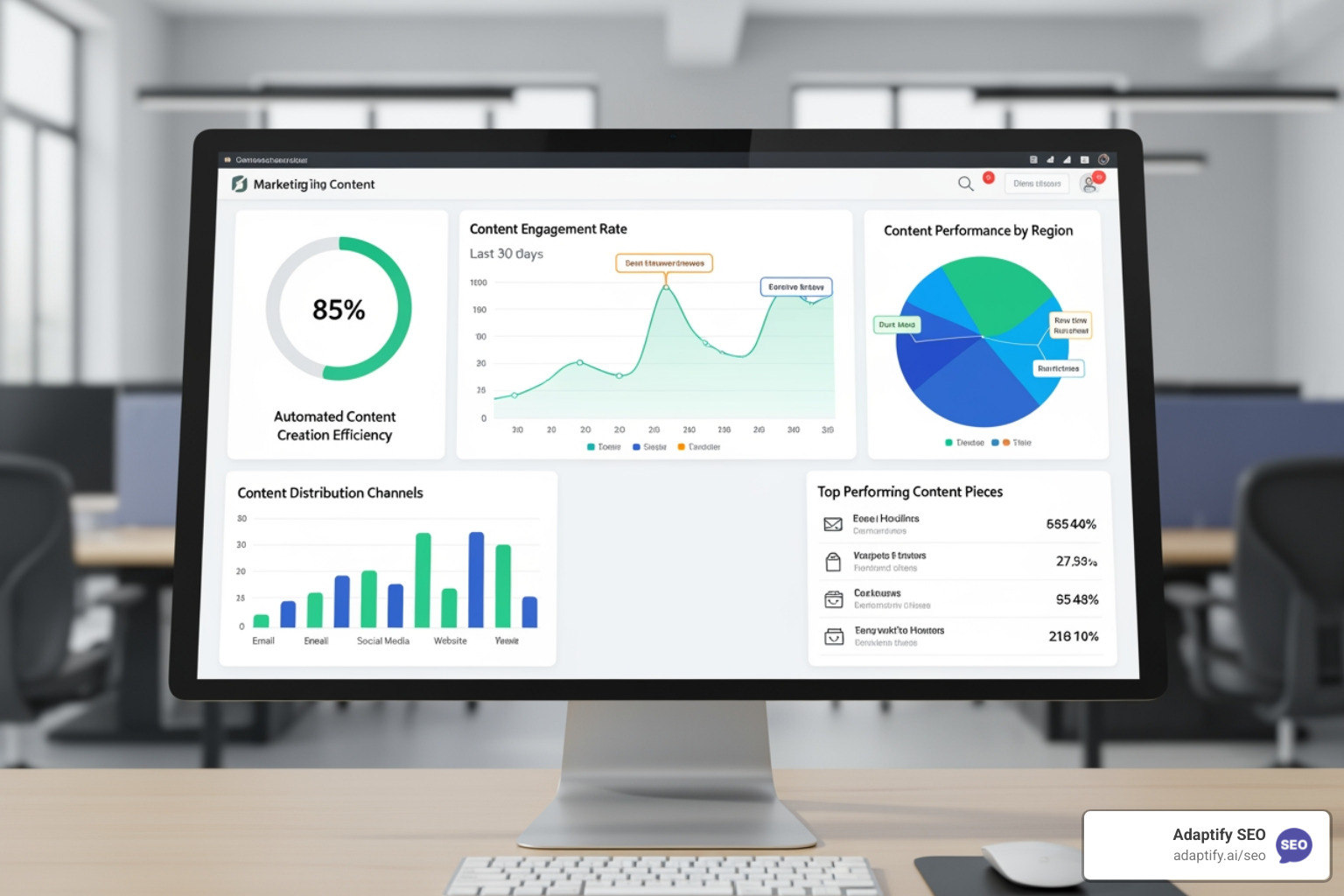
Streamline content creation & boost ROI with Marketing content automation. Discover AI's role, best practices, and top tools to scale your...
Discover how AI Powered Outreach automates link building with 3x more placements and 96% efficiency gains in 2026.

Discover how journalist outreach software replaces mass pitching with AI-powered, personalized media pitches that boost response rates and...
Join 1,000+ agencies already delivering SEO and AI visibility from a single platform without increasing their headcount.Join 1,000+ agencies already delivering SEO and AI visibility from a single platform without increasing their headcount.