Put Your Business on the Map with the Best Local SEO Strategies




The best local SEO strategies are what separate thriving local businesses from ones that are invisible online. Here is a quick overview of what actually moves the needle:
The numbers behind local search are hard to ignore. 30% of all mobile searches are location-related. Of the people who search for something nearby on their phone, 78% visit that business within a day — and 28% make a purchase. Meanwhile, up to 98% of customers turn to the internet first when looking for a local business.
Yet most local businesses are still running a 2019 playbook.
The 2026 local search landscape looks different. Google's algorithm has shifted: proximity is no longer the dominant factor it once was. Behavioral signals — things like click-through rate and direction requests — now carry more weight. Review velocity (how many recent reviews you are getting) matters more than a large but stale review count. And AI Overviews are beginning to surface specific local businesses directly in generated answers, bypassing the traditional local pack entirely.
If you run a small business or manage SEO for local clients, this is actually good news. A well-optimized local presence can outrank larger competitors who are coasting on brand authority alone.
I'm Hansjan Kamerling, product designer and marketing consultant at Adaptify AI, and my background building digital products for millions of users — from search experiences to SaaS platforms — gives me a practical lens on which best local SEO strategies actually drive results versus which ones just look good in a slide deck. In the sections below, I'll walk you through exactly what to do, in the order that matters most.
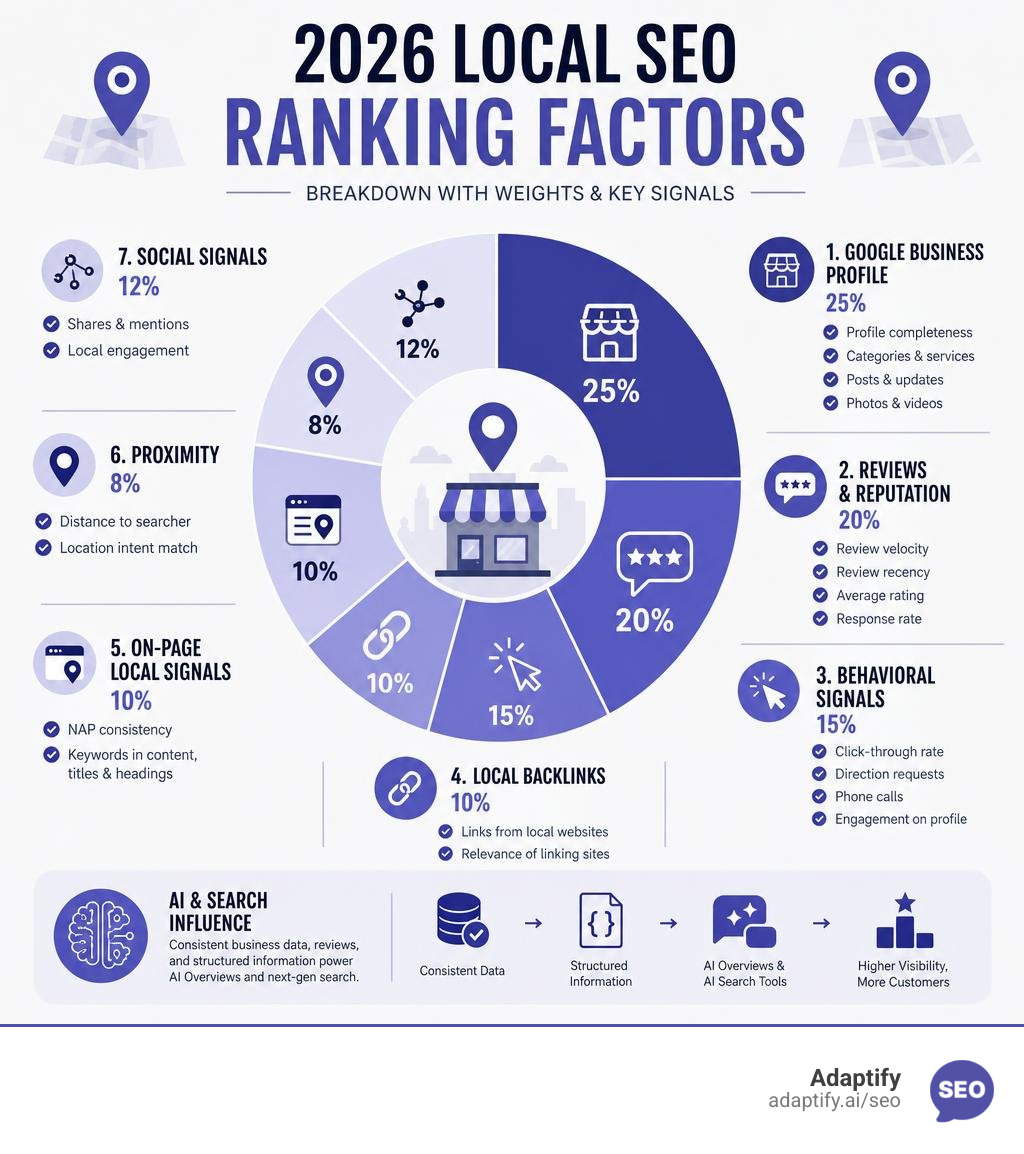
To win at local search, we first have to understand how Google decides who gets the spotlight. The local search algorithm relies on three fundamental pillars: relevance (how well your business matches the searcher's query), distance (how close you are to the searcher), and prominence (how well-known and trusted your business is).
In the past, distance was king. If you were the closest plumber, you ranked first. But in July 2026, the algorithm is much smarter. Google frequently serves a "2-pack" instead of the classic "3-pack" on mobile devices for high-intent queries, and a highly prominent business four miles away with fantastic engagement signals will easily outrank a mediocre business sitting just half a mile from the user.
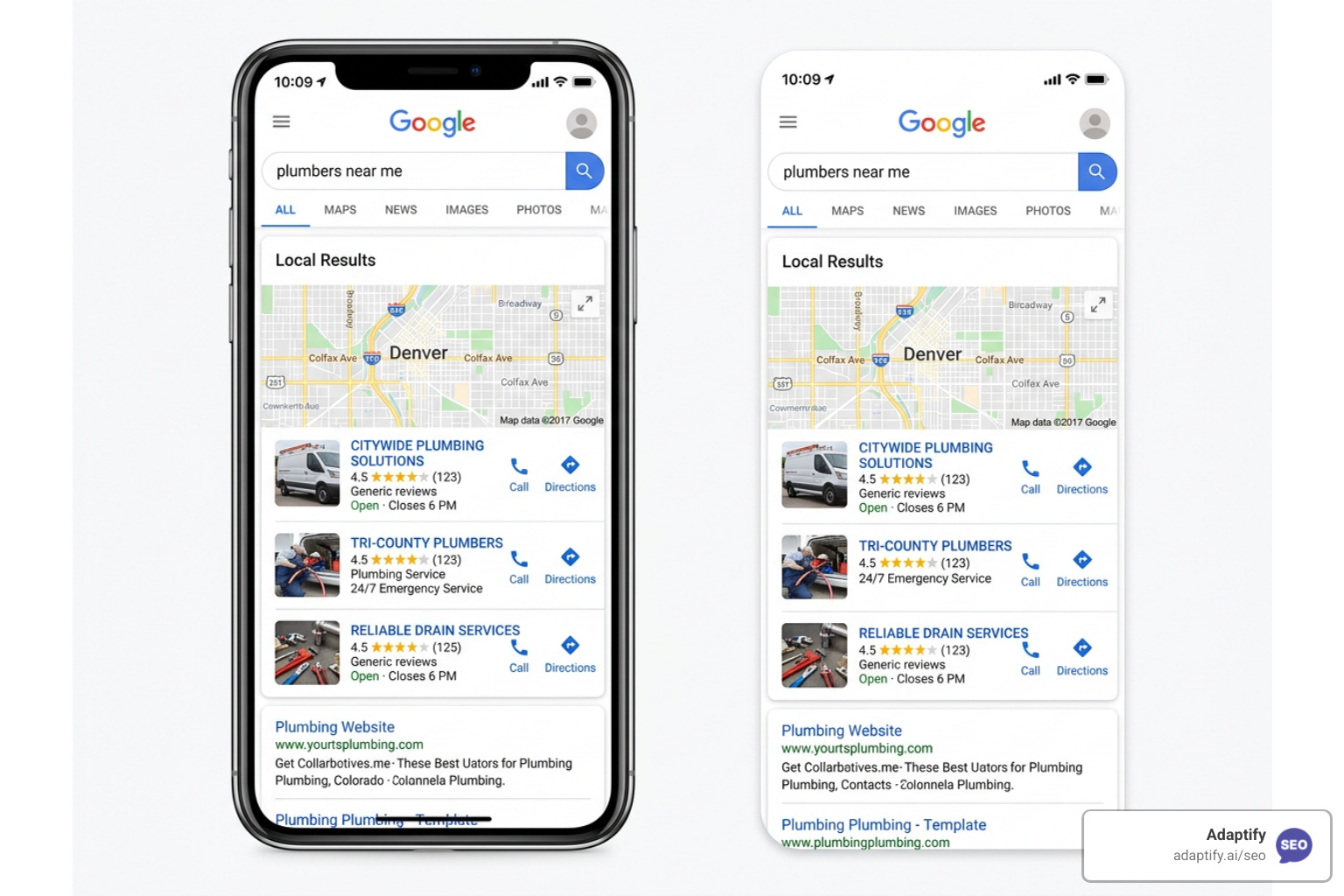
The Map Pack (or Local Pack) sits at the very top of the search engine results page (SERP), drawing up to 32% of all clicks. Directly beneath it are the traditional organic results. To dominate both, you must apply a coordinated approach that targets the Map Pack through your Google Business Profile and the organic results through your website.
Your Google Business Profile (GBP) is the absolute foundation of your local presence. In fact, GBP signals account for roughly 32% of your total Map Pack ranking weight. If you only have eight hours to dedicate to SEO this year, spend them here.
First, your primary category is the single highest-weighted ranking factor, accounting for 14% of the algorithm's decisions alone. Be incredibly specific. If you are a commercial roofing contractor, don't just select "Contractor"—select "Roofing Contractor." From there, fill out up to nine secondary categories to cover your full suite of services.
Next, craft a compelling, 750-character business description. Use your primary service and main city in the very first sentence, but keep it natural. Do not stuff keywords into your actual business name unless it is your legal DBA; Google is actively suspending profiles in 2026 for keyword stuffing.
To keep your profile "fresh" in Google's eyes, execute these ongoing tasks:
For a deeper dive into these optimization steps, check out Local SEO 2026: How to Rank in Google Maps & Local Pack and The Ultimate Guide to Local SEO Strategies.
If Google's algorithm is a detective looking for trust signals, your NAP (Name, Address, Phone number) data is the primary evidence. Your NAP must be 100% identical across every single corner of the web. If you are "Main Street Dental, LLC" on your website, do not list yourself as "Main St. Dental" on Yelp. Even minor discrepancies lower Google's confidence in your data, which directly weakens your prominence score.
Start by claiming your listings on core platforms:
Once your citation foundation is secure, pivot your focus to local link building. In local SEO, local relevance beats generic Domain Rating (DR) every single time. A backlink from a local youth baseball team you sponsor or the neighborhood chamber of commerce carries far more geographical weight than a random guest post link from a high-DR blog based across the country.
I recommend focusing on three high-yield link plays:
To learn more about scaling these outreach efforts, read Local SEO Strategy: A Practical Playbook for 2026 - Arc4 and explore Beyond the Block: Local SEO Strategies Every Agency Needs to Know.
If you serve multiple cities or neighborhoods, you cannot expect a single homepage to rank for all of them. You need dedicated, highly optimized location-specific landing pages.
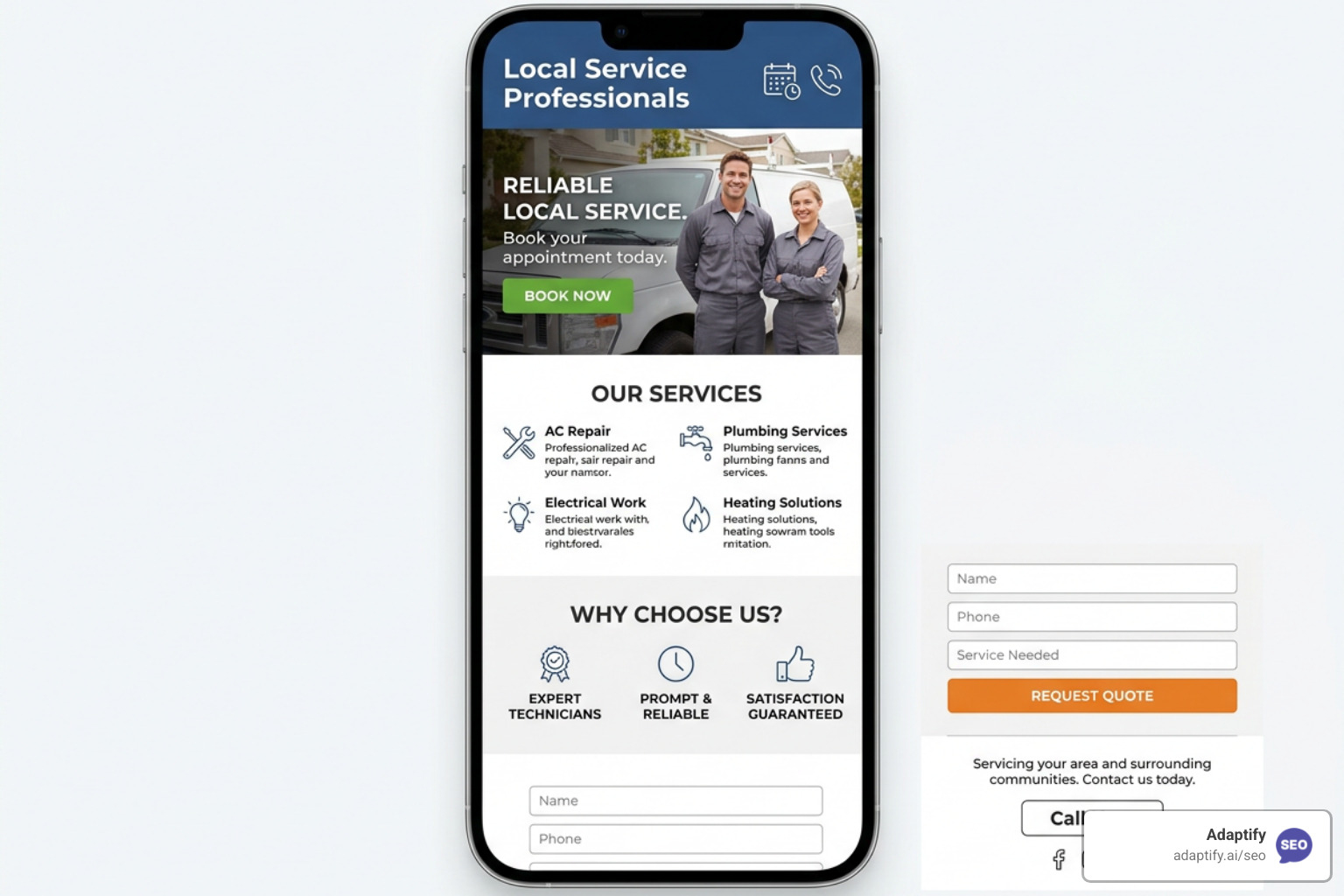
A high-performing city-pillar page should not be a thin "doorway" page with copied text. It needs to be a valuable resource containing:
LocalBusiness schema markup (using JSON-LD) on every page. This tells search engines—and AI crawlers—exactly who you are, where you are, and what you offer.Because Google uses mobile-first indexing, your mobile site speed must be flawless. Aim for a Core Web Vitals mobile speed score of 90+ by compressing images, eliminating bloated code, and ensuring buttons are easy to tap on a phone screen. Ensure your internal linking connects these location pages naturally to your core service pages.
For step-by-step landing page frameworks, check out Local SEO for Small Businesses: A Complete 2026 Guide and read Why Your Real Estate Website Needs a Local SEO Makeover Right Now.
Online reviews are no longer just a trust signal for humans; they are a critical ranking signal for Google's algorithm. Specifically, review velocity (how frequently you get new reviews) and review recency are now top-tier ranking factors. A competitor with 80 reviews—where 15 were received in the last 90 days—will easily outrank a competitor with 400 reviews who hasn't received a new one in a year.
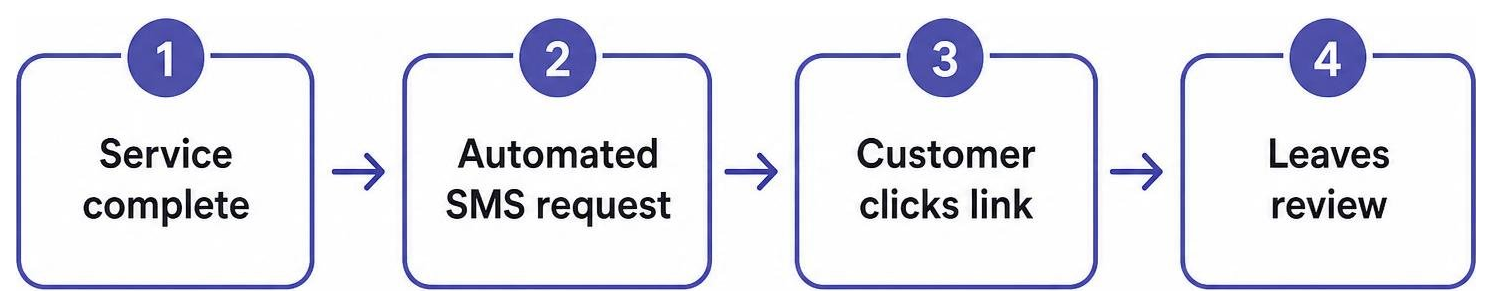
To build a reliable review engine, I suggest implementing these steps:
To fine-tune your reputation management, take a look at Local SEO 2026 — Complete Guide for Service Businesses | Sprout Sage and Cracking the Local Code: A Beginner's Guide to SEO Success.
You cannot manage what you do not measure. To understand if your best local SEO strategies are working, you must move past simple keyword tracking and look at real business outcomes.
By monitoring Google Search Console and Google Analytics 4, you should track:
If you are an agency managing multiple local clients, doing all of this manually is an absolute bottleneck. That is where Adaptify comes in. At Adaptify, we offer automated SEO services that streamline everything from localized keyword strategy formulation to high-quality content creation and automated backlink building. Our platform acts as a force multiplier, allowing you to deliver enterprise-grade local SEO results without the manual grind.
Ready to see how AI-driven automation can scale your local rankings? Start your free trial with Adaptify.
While for-profit businesses focus heavily on commercial intent, nonprofits and niche organizations can leverage local SEO to build deep community trust, attract volunteers, and secure donations.
The core principles remain the same, but the execution differs in key ways:
To learn how to structure these campaigns, read Local SEO for Small Businesses: The Complete 2026 Strategy Guide and utilize the resources in Local SEO Success: Templates to Win Over Your Hometown Clients.
As we navigate 2026, the definition of "local search" is expanding. Traditional search engines are sharing space with AI-driven engines like ChatGPT, Claude, and Google Gemini. This shift—often called Generative Engine Optimization (GEO)—requires us to feed structured data directly into the Large Language Models (LLMs) that power these tools.
| Traditional Local SEO Metric | AI Search / GEO Visibility Signal |
|---|---|
| Map Pack Ranking Position | Mention Rate in AI Recommendations |
| Directory Citation Volume | Brand Association with Category Keywords |
| Keyword Search Volume | Sentiment and Context in Local Reviews |
| Core Web Vitals Speed | Structured Data Completeness (JSON-LD) |
| Backlink Domain Authority | Presence in llms.txt and Public Datasets |
To ensure your business is cited by AI search engines:
llms.txt file: Place this file at your site's root directory to provide a clean, easily readable summary of your business details, services, and locations for AI crawlers.To stay ahead of this paradigm shift, explore Purple AI’s 2026 Guide for Local SEO. - Purple AI and Local SEO is Dead, Long Live GEO: Boosting Local Visibility in AI.
By focusing on GBP optimization, strict NAP consistency, localized content, and systematic review collection, you will build a local SEO engine that dominates both traditional search maps and future AI recommendations. Take it one step at a time, automate where you can, and watch your business climb to the top of the local map.
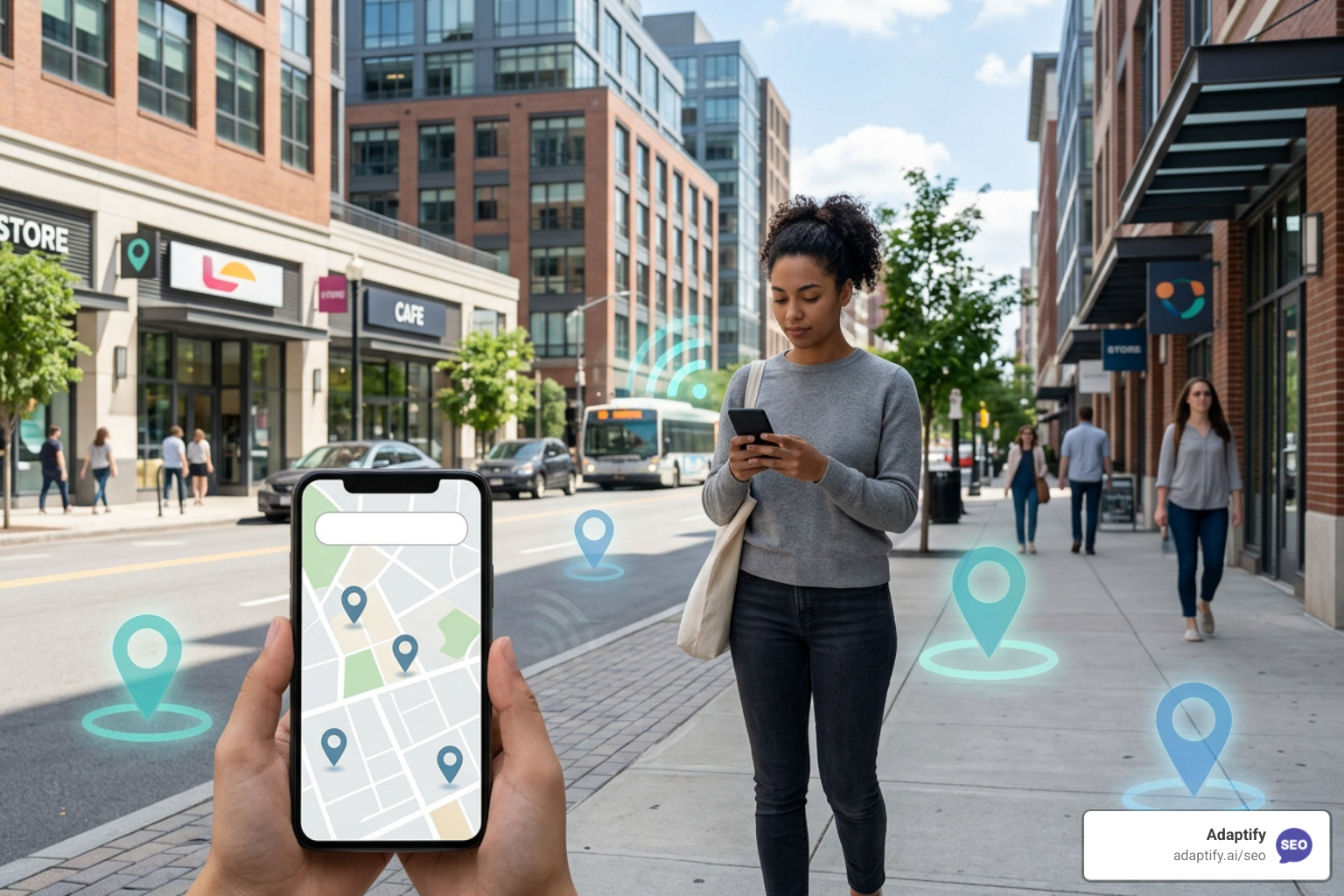
Going Hyperlocal: The Ultimate Guide to Modern Local SEO Trends - Learn about Local SEO trends.
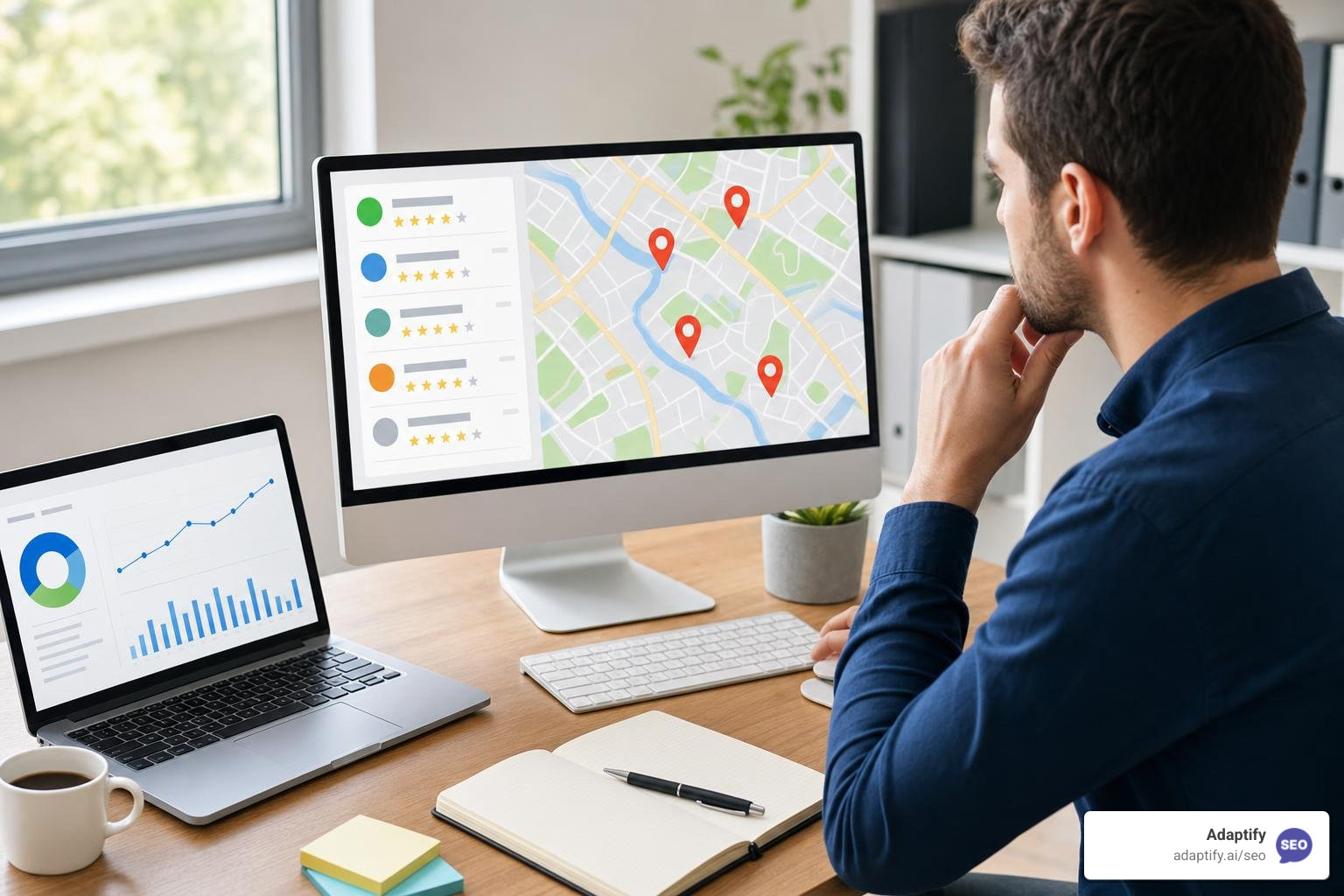
Get help with local SEO to rank higher in Google Maps and dominate neighborhood search results.

Compare health insurance for entrepreneurs with ACA plans, tax deductions, and subsidies to protect your business and budget.
Join 1,000+ agencies already delivering SEO and AI visibility from a single platform without increasing their headcount.Join 1,000+ agencies already delivering SEO and AI visibility from a single platform without increasing their headcount.